
온도는 보이지 않는 재료입니다
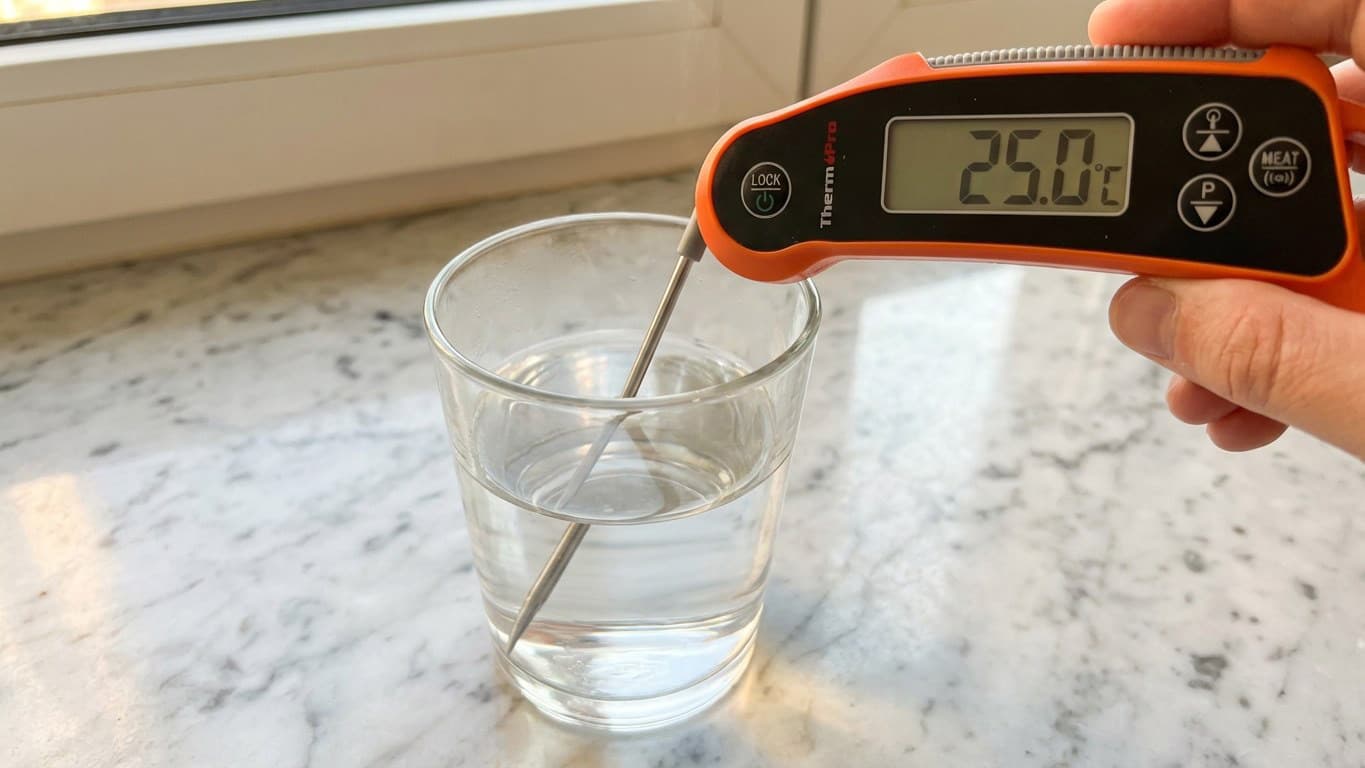
같은 레시피, 같은 양, 같은 시간표를 사용해도 여전히 두 가지 다른 결과물을 얻을 수 있습니다.
그것은 마법도 아니고 '운이 없는 날'도 아닙니다. 대부분의 경우, 그것은 온도 때문입니다.
피자 커뮤니티에서는 항상 같은 패턴이 반복됩니다. 한 사람이 레시피를 공유하면, 다른 사람들은 그것을 정확히 따라 하지만, 세 가지 다른 결과가 나타납니다. 어떤 사람은 아름답고 탄력 있는 반죽을 얻고, 어떤 사람은 끈적한 죽 같은 반죽을 얻으며, 어떤 사람은 "반죽이 전혀 움직이지 않았다"고 말합니다.
레시피는 같았지만, 과정은 달랐던 것입니다.
발효와 숙성은 두 가지 과정입니다
실제 베이킹에서는 이 구분이 중요합니다:
-
발효는 효모 활동과 가스 생성입니다.
-
숙성은 구조와 풍미의 병행적인 변화입니다.
따라서 반죽이 준비된 것처럼 보여도 펼치기 어렵고 잘 구워지지 않을 수 있습니다. 반대로, 타이밍이 어긋나서 작업 가능한 시간이 매우 짧아질 수도 있습니다.
그래서 "24시간" 또는 "내일용"이라는 말만으로는 아무것도 보장할 수 없습니다.
DDT는 하루 전체를 결정하는 시작점입니다
DDT (Desired Dough Temperature, 목표 반죽 온도)는 반죽 직후의 목표 반죽 온도입니다. 발효 속도가 여기에서 시작되기 때문에 공정에서 가장 중요한 숫자 중 하나입니다.
DDT는 여러 변수에 의해 동시에 결정됩니다:
-
밀가루 온도,
-
실내 온도,
-
물 온도,
-
반죽 방법 및 강도.
이것이 홈 베이킹이 종종 엇나가는 지점입니다. 손 반죽을 할 때, 많은 사람들이 반죽이 "뜨거워지지 않도록" 본능적으로 매우 차가운 물을 사용합니다. 때로는 효과가 있지만, 때로는 시작을 너무 늦춥니다. 발효는 늦게 시작되고, 숙성은 계속 진행되어 과정이 동기화되지 않습니다.
단 몇 도의 차이가 당신의 타이밍을 몇 시간씩 바꿀 수 있습니다.
Pandough가 일반 계산기와 다른 점
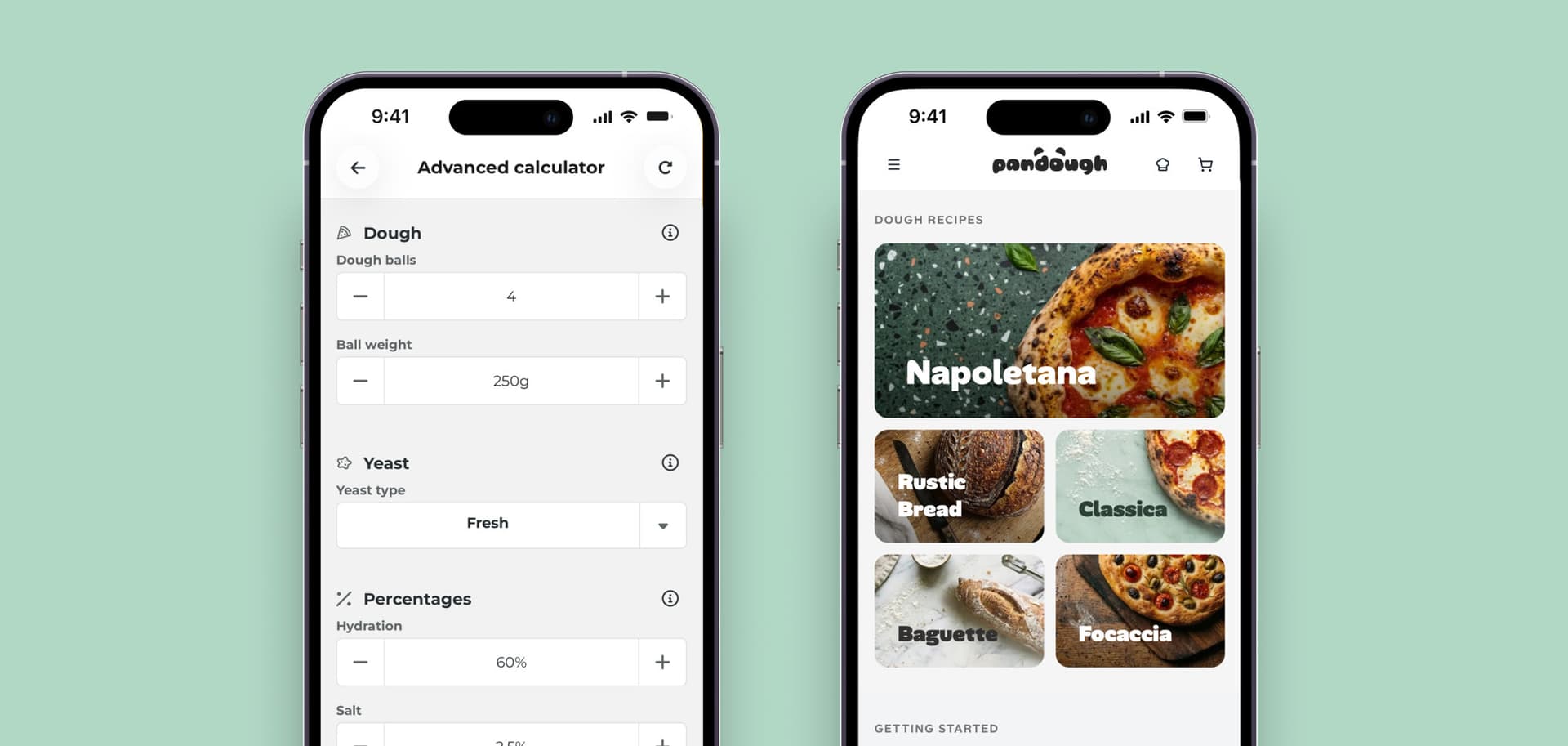
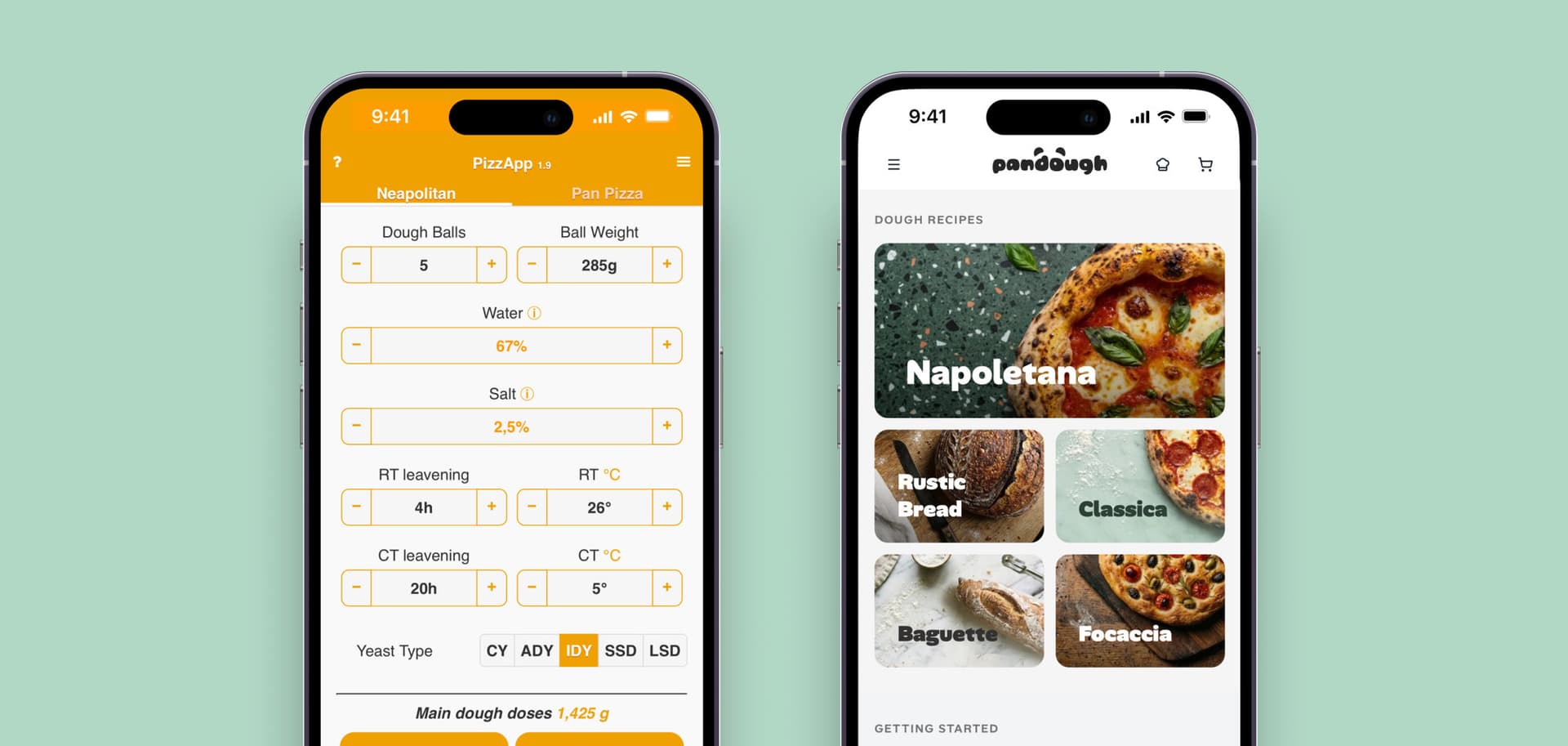
대부분의 계산기는 재료만 계산합니다. 유용하지만 불완전합니다.
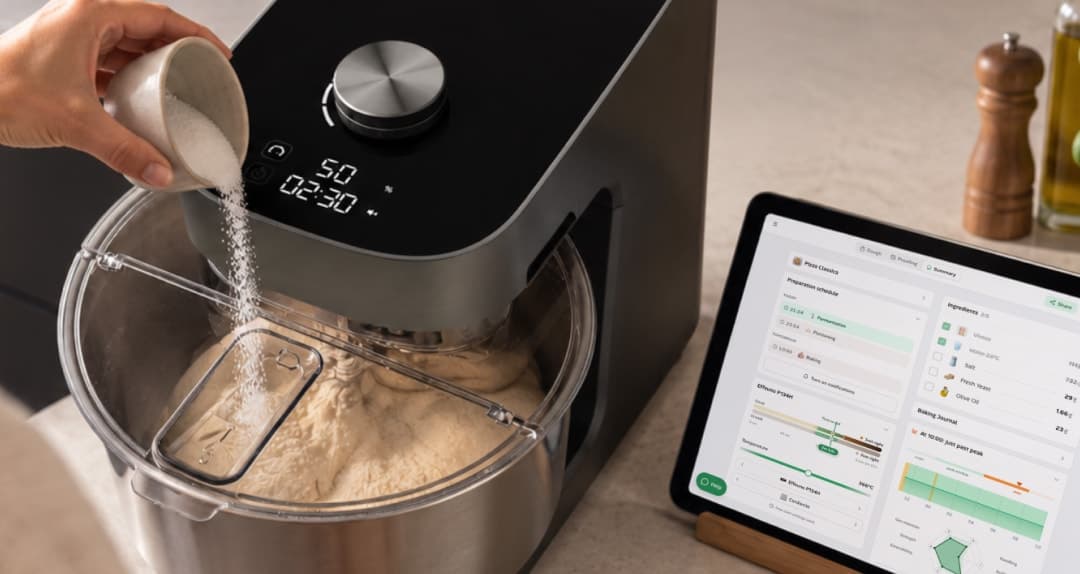
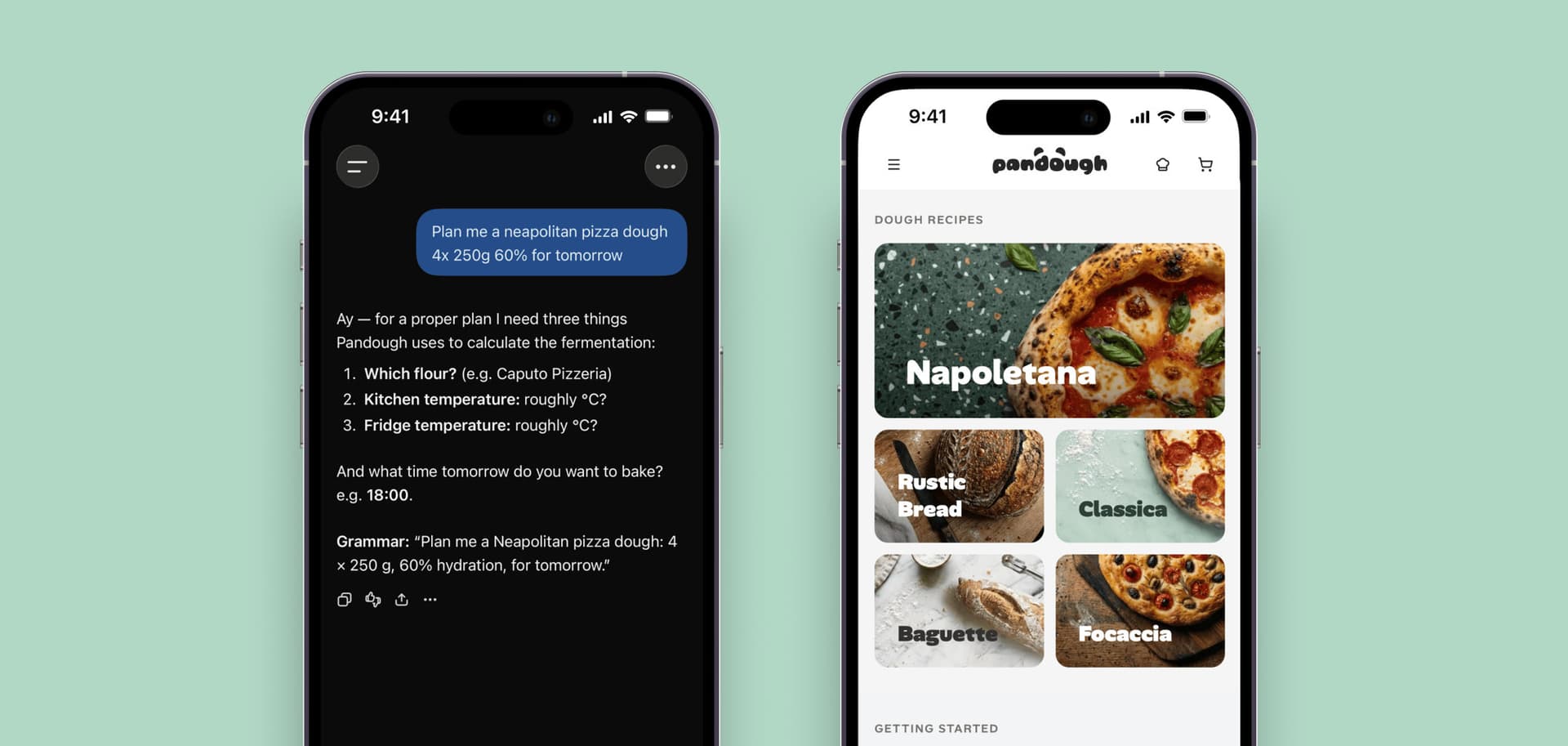
Pandough는 공정 우선입니다: 밀가루와 그 특성을 선택합니다. 그런 다음 실제 주변 온도를 입력합니다. 이를 통해 DDT를 맞추기 위한 목표 물 온도를 얻습니다. 그제서야 시스템이 효모 양과 일정을 설정합니다.
그러니 "레시피를 복사-붙여넣기"하는 것이 아닙니다. 그것은 당신의 실제 조건에 맞는 계획입니다. 그것이 반복 가능성을 만들어냅니다.
밀가루에 대해 더 잘 이해하고 같은 레시피가 왜 다르게 작동할 수 있는지 알고 싶다면, 피자 레시피가 종종 실패하는 이유를 읽어보세요. 실행에 있어서는 진정으로 차이를 만드는 도구에 대한 이 가이드가 좋은 다음 단계입니다.
요약
피자 반죽에서 온도는 보이지 않는 재료입니다.
DDT를 제어하고 발효와 숙성을 함께 관찰하면, 레시피는 더 이상 복권이 아닙니다. 그것은 침착하고 신뢰할 수 있게 반복할 수 있는 과정이 됩니다.
레시피 맞춤 설정
Caputo Pizzeria와 Caputo Nuvola를 전환하며 최적 반죽 매개변수가 어떻게 변하는지 확인하세요.
FAQ