
Pizzarecepten en Calculators Missen Één Cruciale Factor

Als je al een tijdje bakt, ken je waarschijnlijk het gevoel: een recept uit een video, alles afgewogen, timer in de gaten gehouden — en het resultaat is nog steeds niet goed.
Het is frustrerend, omdat het voelt alsof de techniek je in de steek laat. In de praktijk is het meestal de match die faalt.
Hetzelfde recept betekent niet hetzelfde proces
Een recept ziet er onschuldig uit: bloem, water, zout, gist, tijd. Maar het vertelt je niet alles over de bloem of de omstandigheden waarin je werkt.
En die bepalen of het deeg stabiel blijft, of begint uit te lopen of te scheuren.
"00" beschrijft niet het gedrag van het deeg
Het Tipo 00 label beschrijft de maling. Het zegt niet hoe de bloem omgaat met lange fermentatie, hoeveel water het vasthoudt, of hoe breed een werkvenster het je geeft.
Daarom kunnen twee bloemsoorten met het label "00" totaal verschillende benaderingen vereisen, ook al lijken ze op papier op elkaar.
Wat het deeg daadwerkelijk controleert
1. Bloemsterkte (W waarde)
W is uithoudingsvermogen. Hoe hoger het is, hoe langer de bloem de fermentatie aankan.
- Zwak (W 180–220): Het beste voor snelle degen.
- Gemiddeld (W 240–280): Goed voor ongeveer 24 uur.
- Sterk (W 300+): Voor 48–72 uur.
Als je te lang fermenteert op een zwakkere bloem, stort de structuur in. Als je een zeer sterke bloem te kort afsnijdt, kan het deeg "rubberachtig" zijn en moeilijker te openen.
2. Waterabsorptie
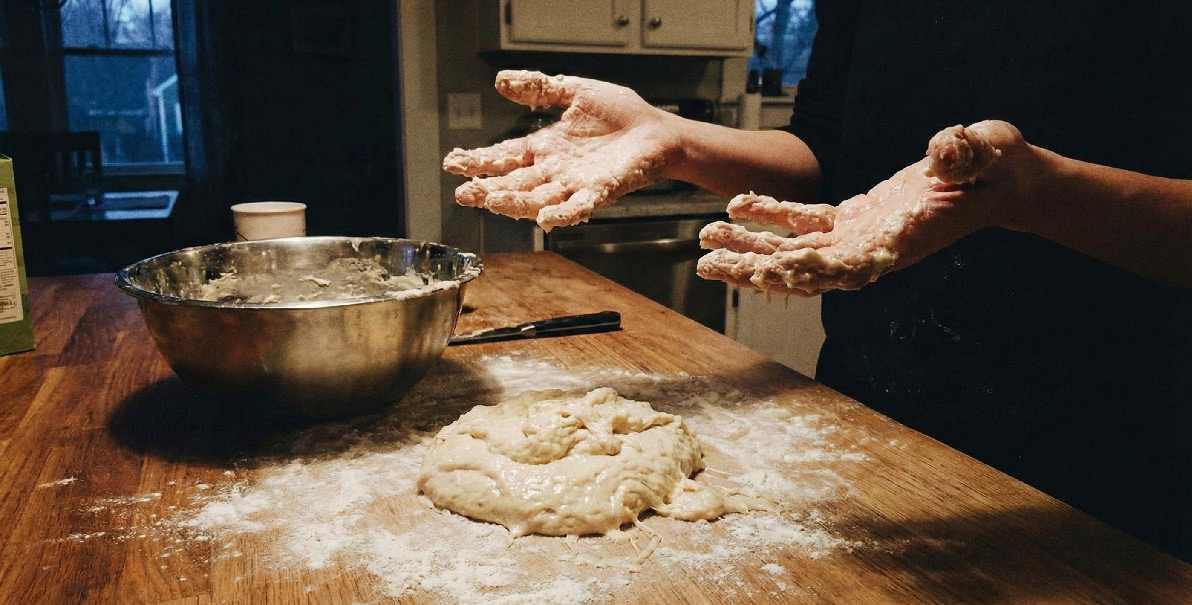
Elke bloem "drinkt" anders, en het werkelijke gedrag hangt af van de batch, de omstandigheden en het proces. Verschillen van slechts 1–2 hydratatiepunten kunnen bepalen of het deeg stabiel en veerkrachtig is, of begint uit te lopen.
3. Hydratietolerantie
Naast absorptie is er een limiet. Sommige bloemsoorten verwerken 70%+, andere vallen uit elkaar bij 62%. Voorbij de drempel scheurt en spreidt het deeg zich.
Waarom veel professionals niet openlijk over W praten
Pizzaiolo's gebruiken dezelfde bloem jarenlang, en door duizenden herhalingen hebben ze een diep, intuïtief gevoel ontwikkeld voor hoe die specifieke bloem zich gedraagt in hun klimaat. Ze hebben geen cijfers nodig; ze passen alles aan op gevoel, zicht en instinct. Jij verandert van merk en omgeving.
Een betere manier: plan vanuit de bloem, niet vanuit een sjabloon
In de praktijk ziet het er zo uit:
- Begin met de bloem. Controleer W en absorptie.
- Stem de fermentatie af op de sterkte. Zwak = kort, sterk = lang.
- Stel de hydratatie in op de bloem, niet op een willekeurige video of post.
- Bereken de gist als laatste.
Wanneer je begint met de juiste bloem en hydratatiebereik, wordt de rest van het proces veel voorspelbaarder.
Star recept vs. bloembewuste planning
| Aspect | Star recept | Bloembewuste planning |
|---|---|---|
| Hydratatie | Vaste waarde (bijv. 65%) zonder context | Bereik afgestemd op de specifieke bloem |
| Fermentatie | Dezelfde tijd voor elke bloem | Tijd afgestemd op bloemsterkte (W) en temperatuur |
| Gist | Eén hoeveelheid voor iedereen | Hoeveelheid berekend voor het fermentatieplan |
| Bloemkeuze | Generiek 'gebruik 00 bloem' | Specifiek product met een bekend profiel |
| Consistentie | Een totale loterij | Betrouwbare, herhaalbare resultaten |
| Probleemoplossing | Eindeloos vallen en opstaan | Duidelijke diagnose op basis van gegevens |
Veelgemaakte fouten
- Eiwit is gelijk aan sterkte. Nee. Eiwit is kwantiteit, W is kwaliteit.
- Ik kopieer de hydratatie van YouTube. Dat werkt alleen als de bloem en de omstandigheden erg vergelijkbaar zijn.
- Mijn 24-uurs recept werkt altijd. Het werkt zolang het bloemprofiel en de procestemperatuur dichtbij zijn.
Samenvattend
Veel recepten vereenvoudigen bloem te veel, waardoor thuisbakkers vaak zichzelf de schuld geven in plaats van het proces. Wanneer je rekening houdt met het bloemprofiel, de temperatuur en het nauwkeurig afwegen, stijgt de kwaliteit een niveau — en wordt het herhaalbaar.
Als je de basis wilt sluiten, lees dan ook:
Klaar om te stoppen met gissen?
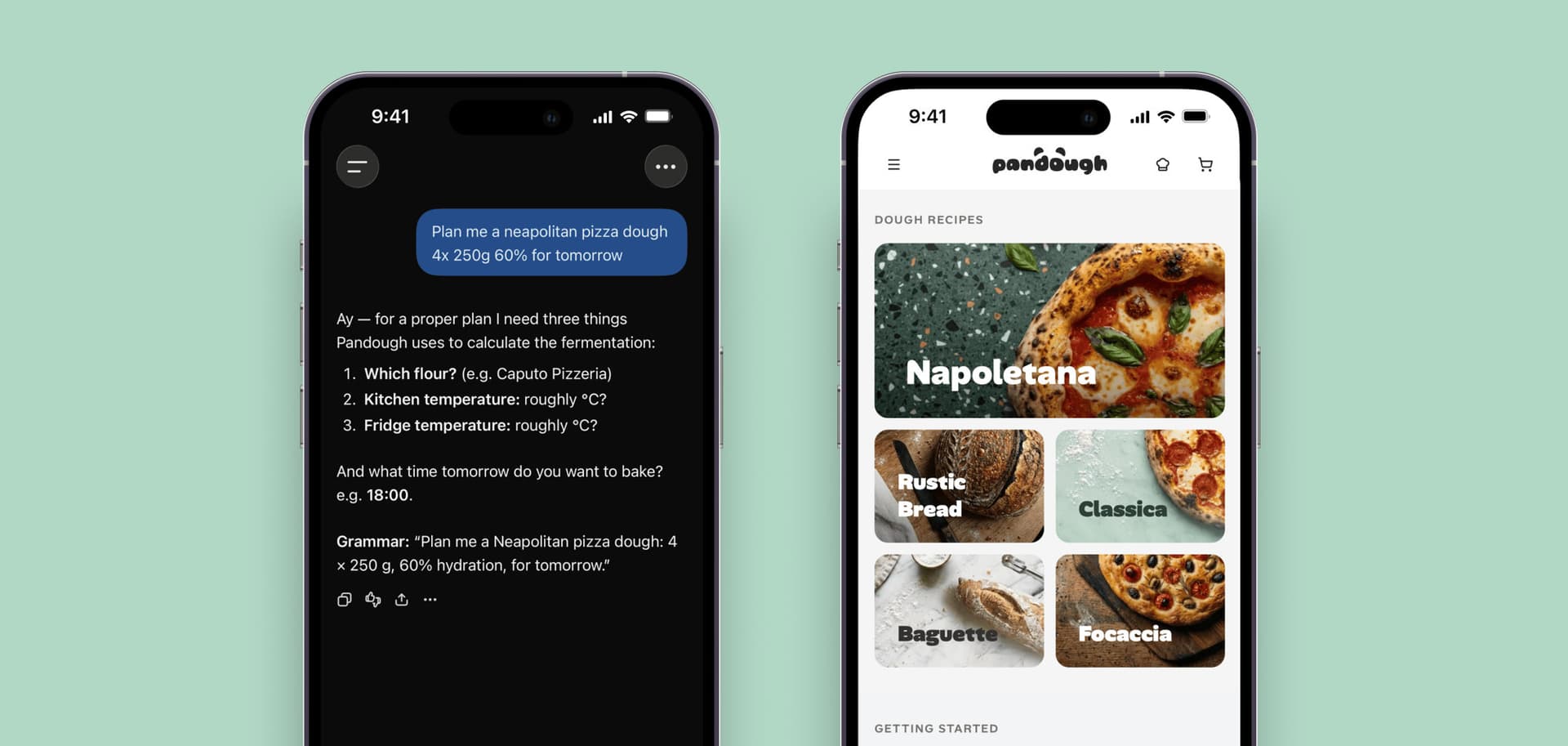
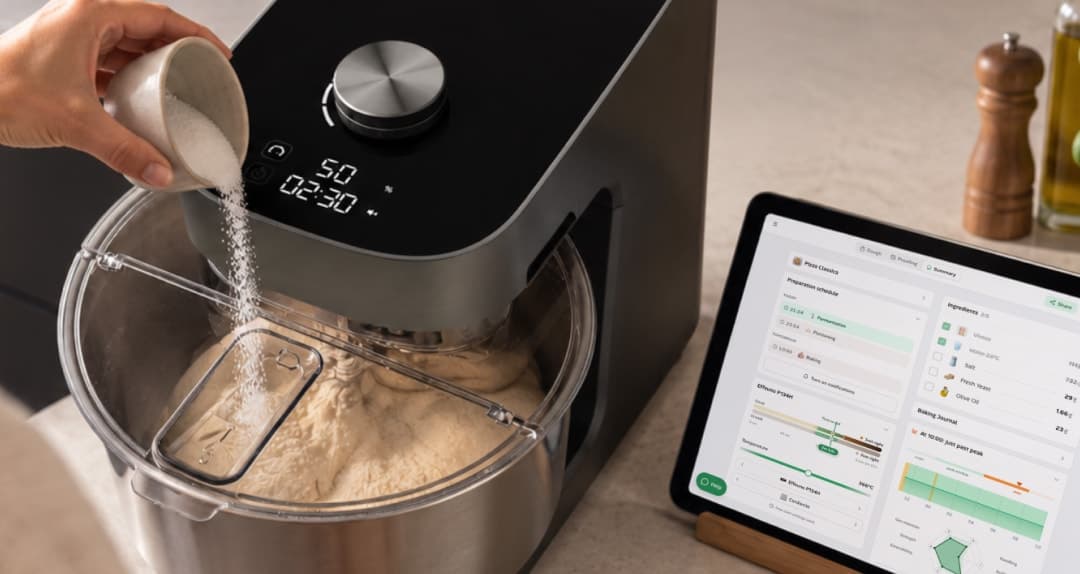
Pandough geeft niet één tabel voor iedereen — het past gist en schema aan aan je bloem, temperatuur en bakplan.
Pas dit recept aan
Wissel tussen Caputo Pizzeria en Caputo Nuvola en zie hoe de optimale deegparameters veranderen.
FAQ
Wat is Pandough?
Pandough is een deegmanager die een precies plan maakt voor jouw bloem, keuken, oven en planning.
Probeer de calculator