
Temperature Is the Invisible Ingredient
You can use the same recipe, the same grams, and the same timeline. And still get two different bakes.
That’s not magic and it’s not “a bad day.” Most of the time, it’s temperature.
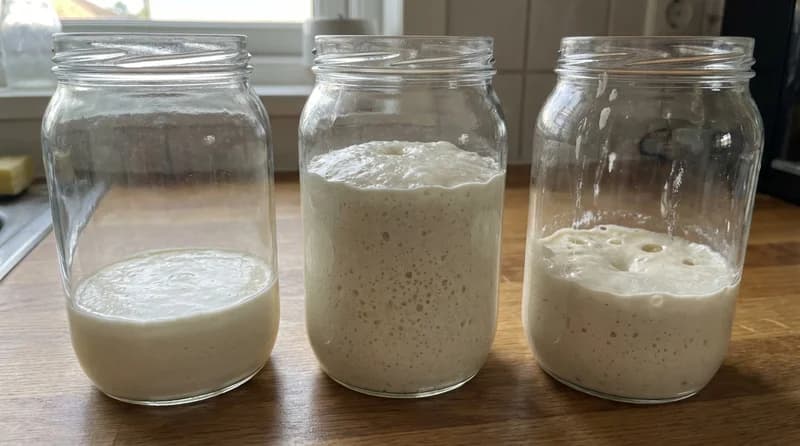
In pizza groups, the pattern is always the same: one person shares a formula, others copy it exactly, and three different results show up. One gets beautiful, elastic dough balls. One gets sticky soup. One says “it never moved.”
The recipe matched. The process didn’t.
Fermentation and maturation are two processes
In real baking, this distinction matters:
- Fermentation is yeast activity and gas production.
- Maturation is parallel change in structure and flavor.
So dough can look ready while still being hard to open and bake well. Or the opposite: timing drifts, and your workable window becomes very short.
That’s why “24h” or “for tomorrow” doesn’t guarantee anything on its own.
DDT is the start point that sets the whole day
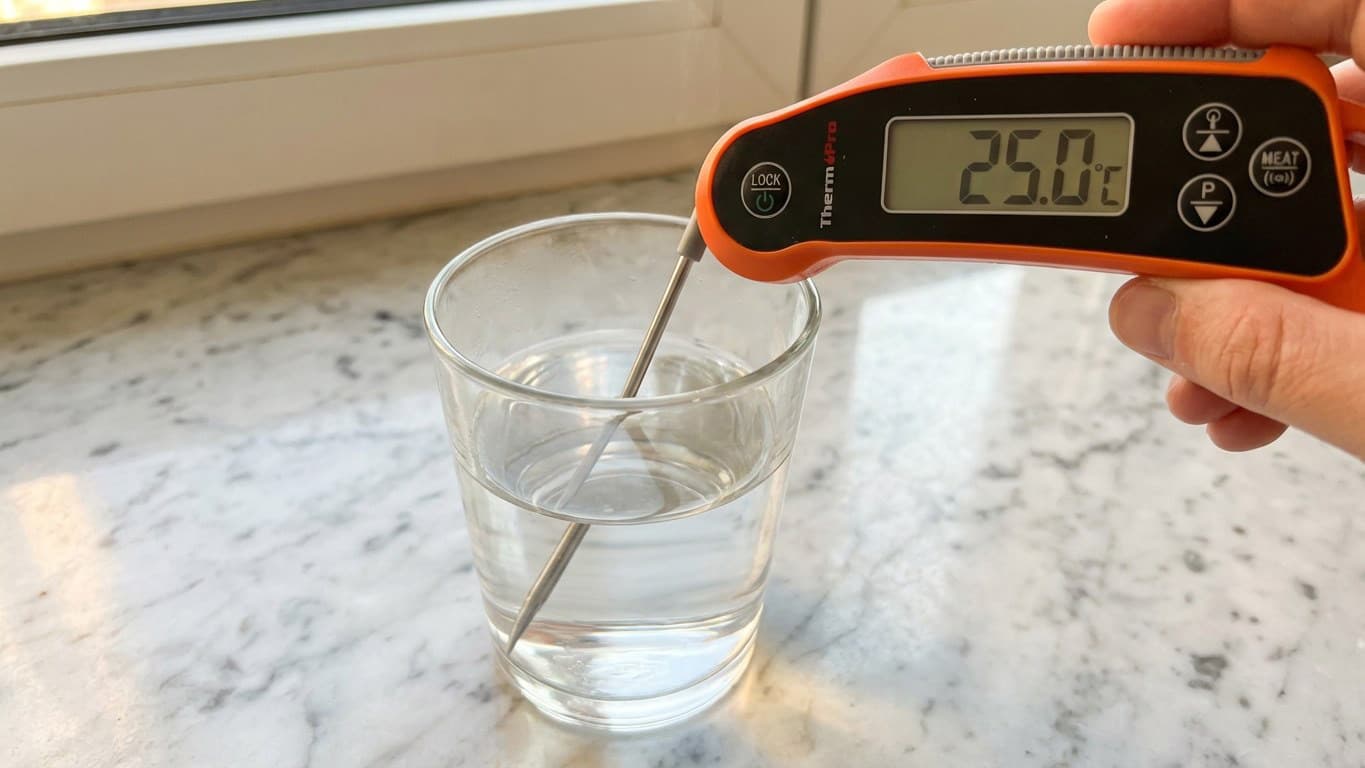
DDT (Desired Dough Temperature) is your target dough temperature right after mixing. It’s one of the most important numbers in the process because fermentation speed starts there.
DDT is shaped by several variables at once:
- flour temperature,
- room temperature,
- water temperature,
- mixing method and intensity.
This is where home baking often goes off track: with hand mixing, many people instinctively use very cold water so the dough “doesn’t heat up.” Sometimes that works. Sometimes it slows the start too much. Fermentation begins late, maturation keeps moving, and the process falls out of sync.
A difference of just a few degrees can shift your timing by hours.
What Pandough does differently from a basic calculator
Most calculators only count ingredients. Useful, but incomplete.
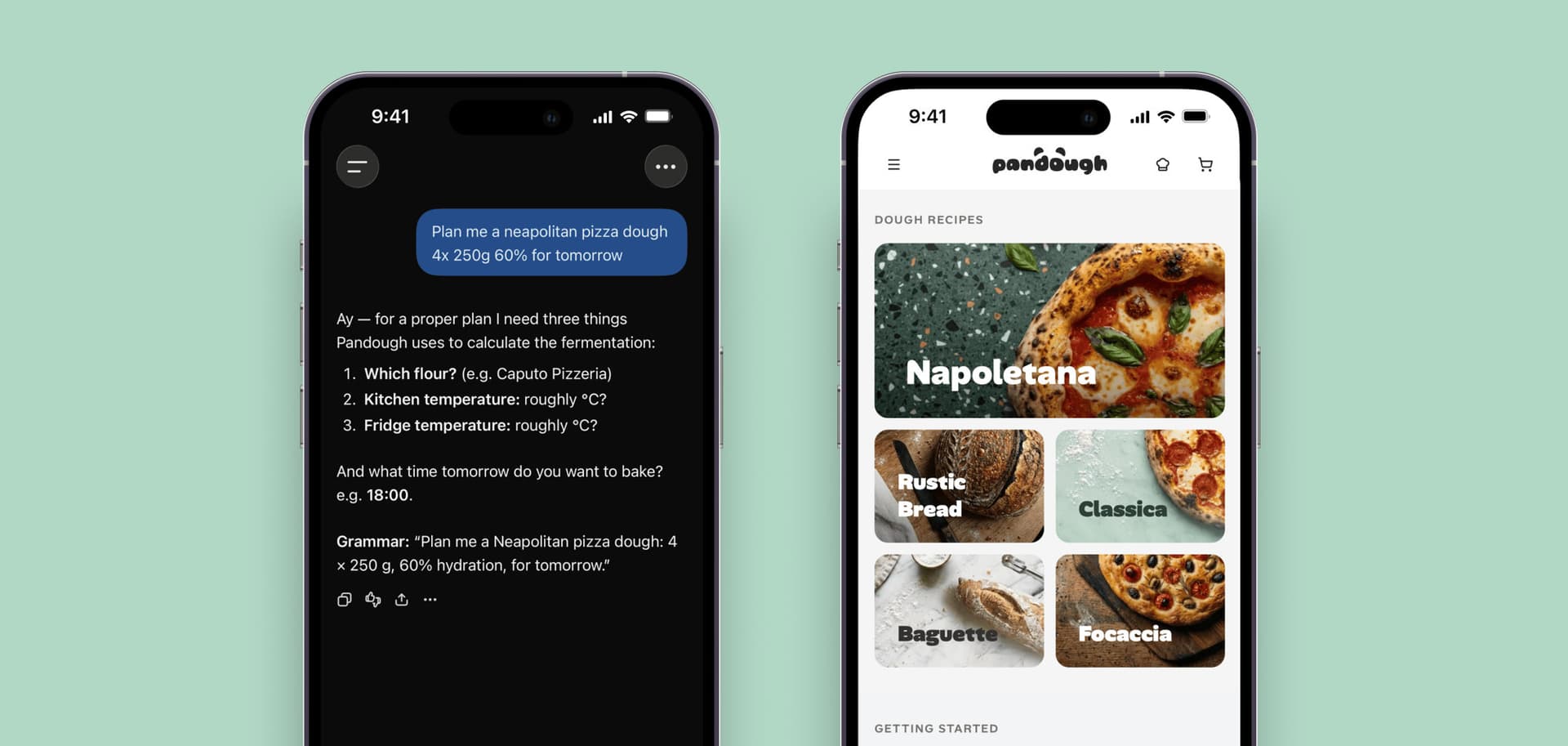
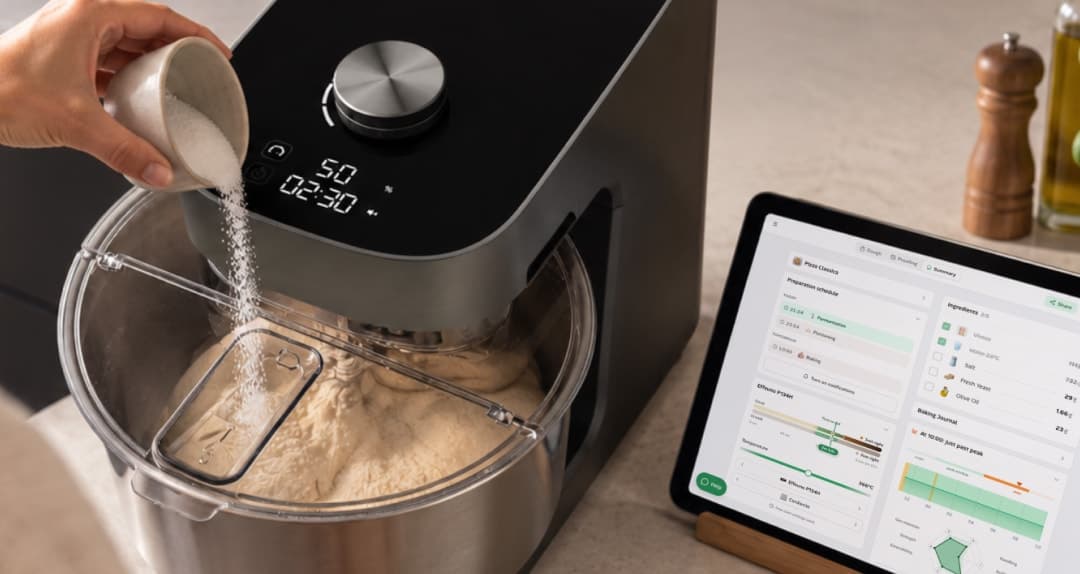
Pandough is process-first: You choose flour and its profile. Then you enter your real ambient temperature. From that, you get a target water temperature to hit DDT. Only then does the system set yeast and schedule.
So it’s not “copy-paste a recipe.” It’s a plan for your actual conditions. That’s what creates repeatability.
If you want to understand the flour side better and why the same written formula can behave very differently, read why pizza recipes often fail. For execution, this guide on tools that genuinely make a difference is a good next step.
Summary
In pizza dough, temperature is the invisible ingredient.
When you control DDT and watch fermentation together with maturation, the recipe stops being a lottery. It becomes a process you can repeat calmly and reliably.
Customize this recipe
Switch between Caputo Pizzeria and Caputo Nuvola and watch the optimal-dough parameters change.
FAQ
What is Pandough?
Pandough is a dough manager that builds a precise plan around your flour, kitchen, oven and schedule.
Try the calculator