
FlourBlend, Pizza Oven Database, Insights & More
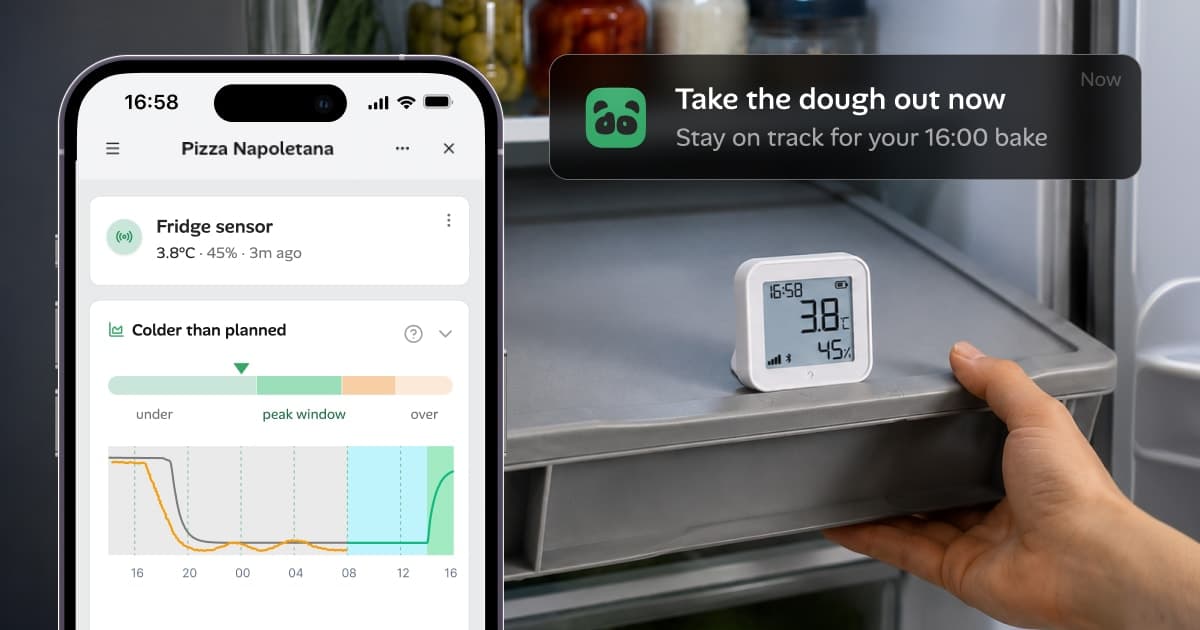
This is the biggest single release Pandough has ever shipped. Six major features, all landing at once.
1. Pandough FlourBlend
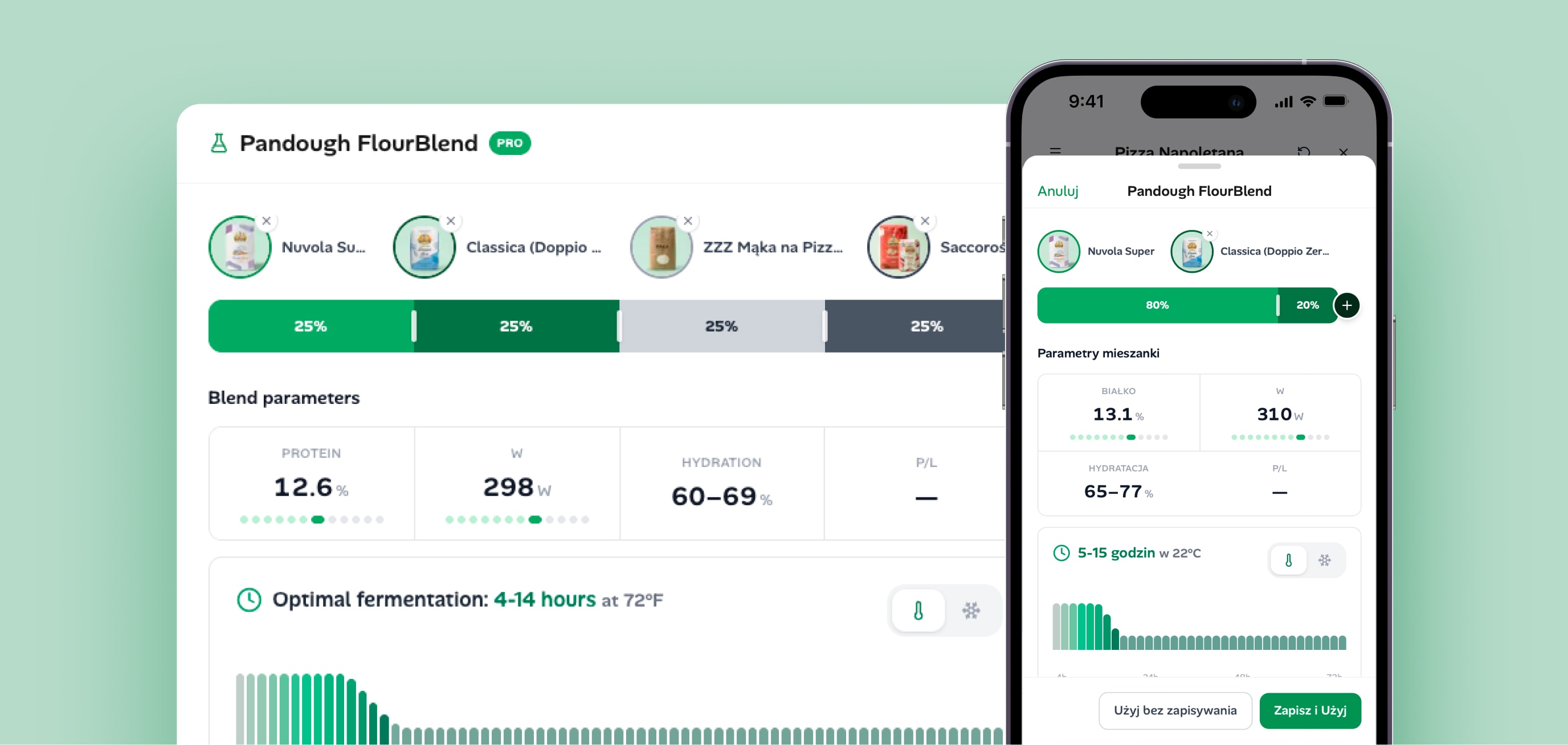
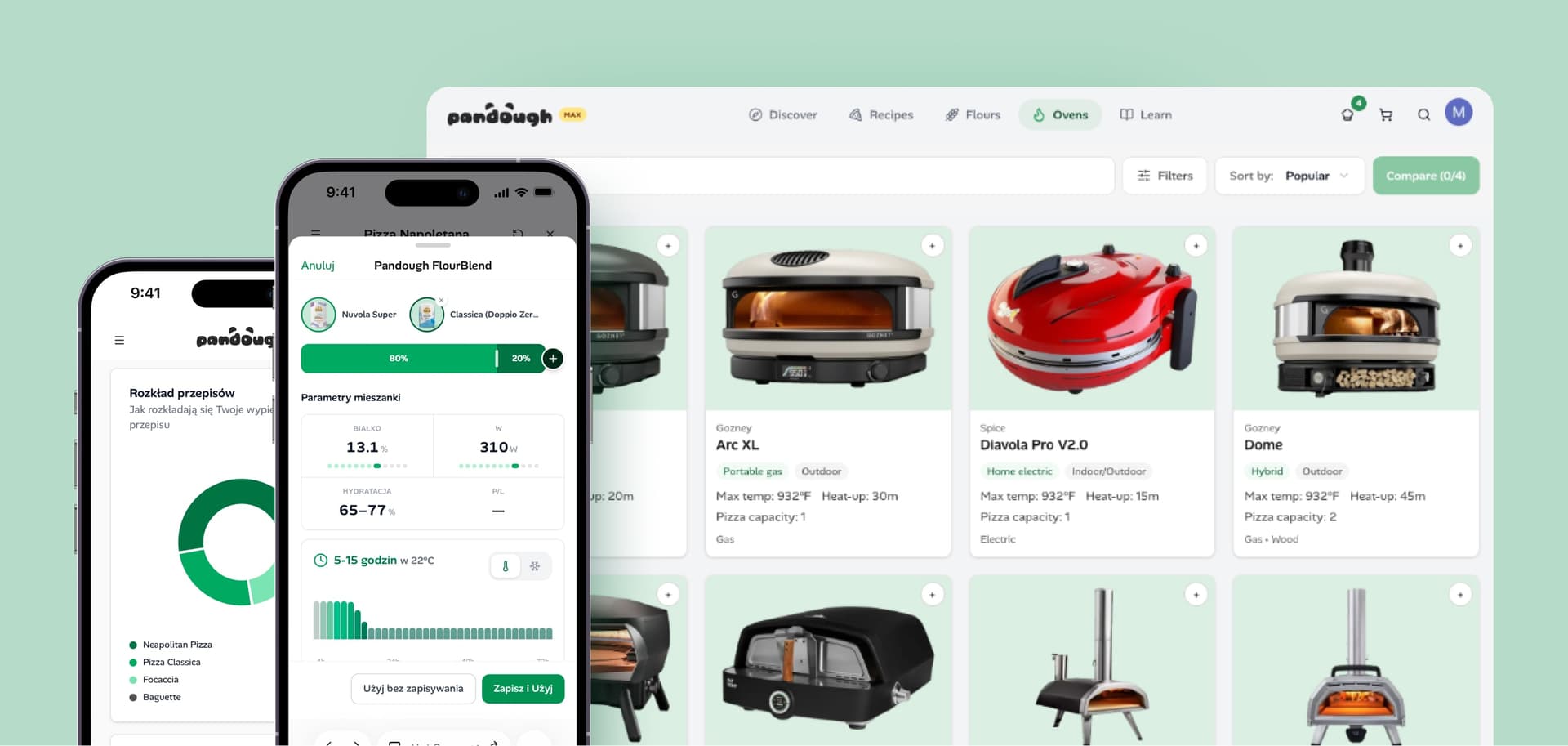
You can now blend 2–4 flours together and use the result as a single virtual flour in the calculator.
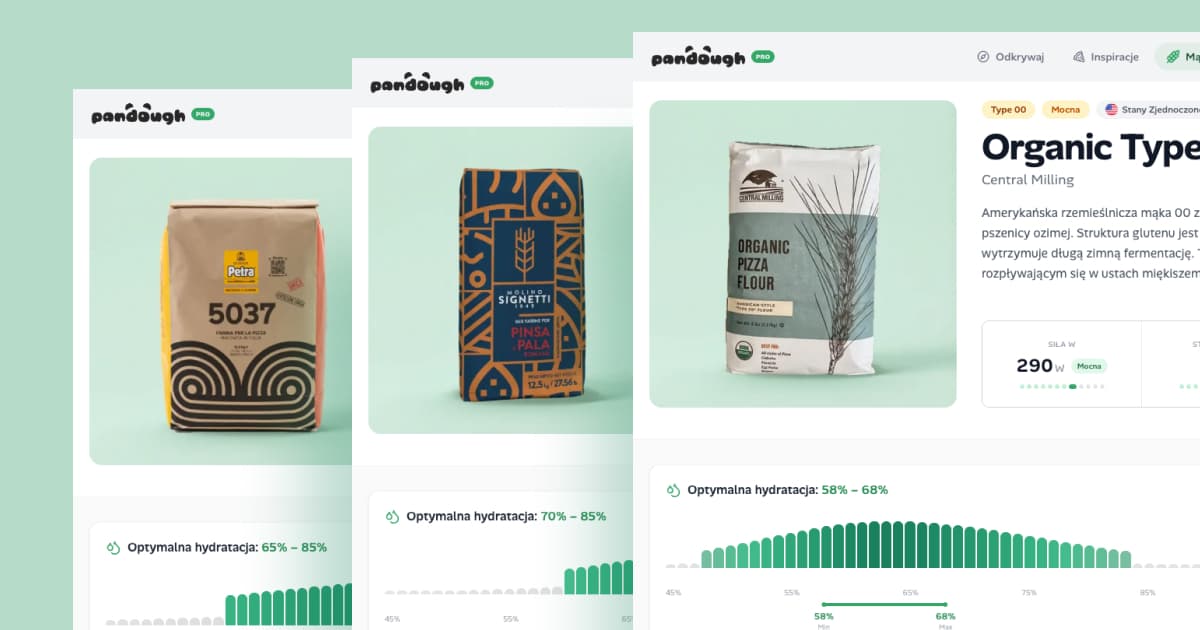
Pick your component flours, set the ratios, and Pandough derives everything automatically — protein percentage, W strength, hydration range, P/L ratio, and even a blended maturation timeline. The calculator treats your blend exactly like a regular flour, so all your fermentation planning, hydration recommendations, and ingredient calculations just work.
Blends can be saved to your library for reuse, or used as one-off experiments without saving. The blend bar gives you a visual breakdown of your mix, and the stats panel updates live as you adjust ratios.
Try Blending Flours
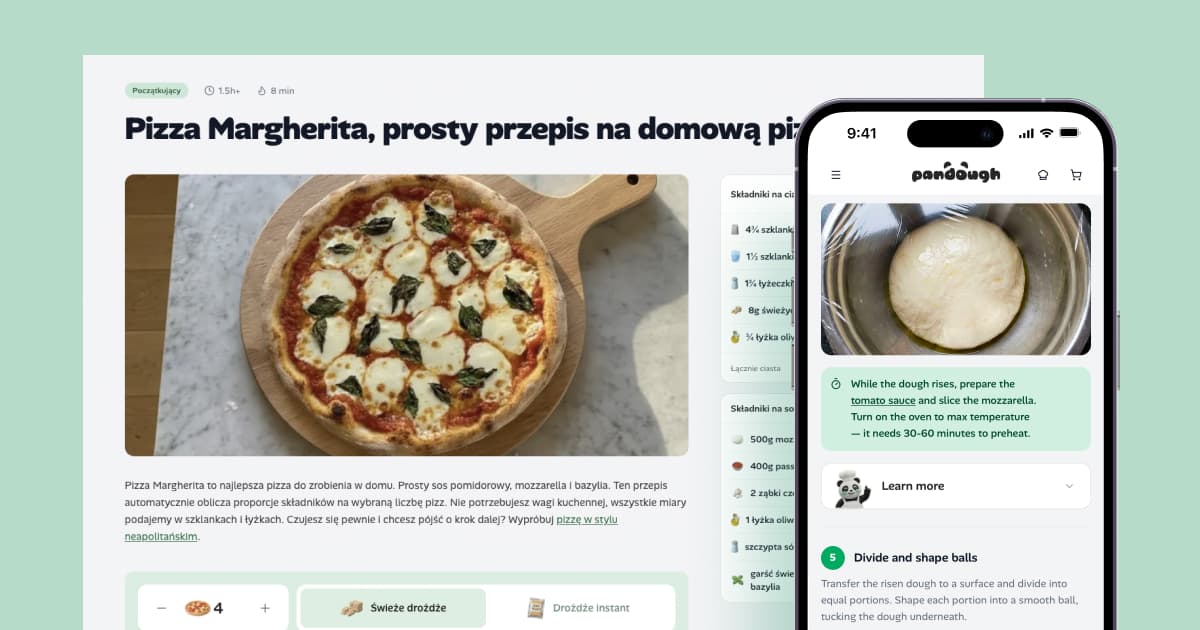
Recipe: neapolitan pizza
2. Pizza Oven Database
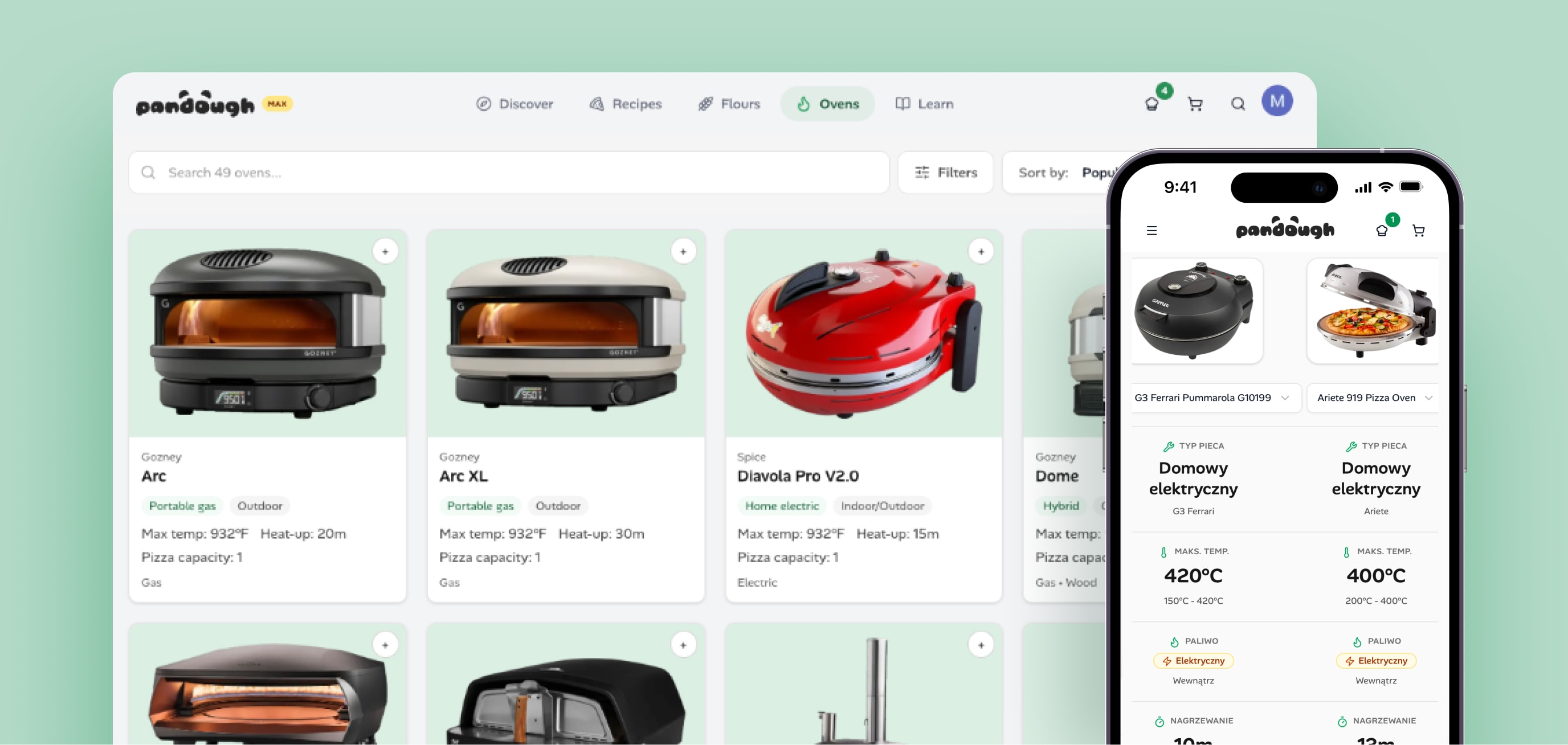
Pandough now has a full oven database launching with 49 ovens across 22 brands — from budget G3 Ferraris and Arietes, through Ooni and Gozney portables, up to Effeuno and wood-fired setups.
Every oven has detailed specs: max temperature, heat-up time, inner dimensions, fuel type, placement, pizza capacity, and pricing with automatic currency conversion for your region.
Compare up to 4 ovens side by side. The comparison page shows specs, pricing, and capabilities in a clear grid. Filter and search by type, brand, fuel, temperature range, or price bracket.
Each oven page also supports community reviews — rate ovens you own and share your experience to help others decide.
There might be bugs in the data with 49 ovens — if you spot anything off, let us know. And everyone is welcome to share their oven insights in the reviews.
3. Insights Dashboard
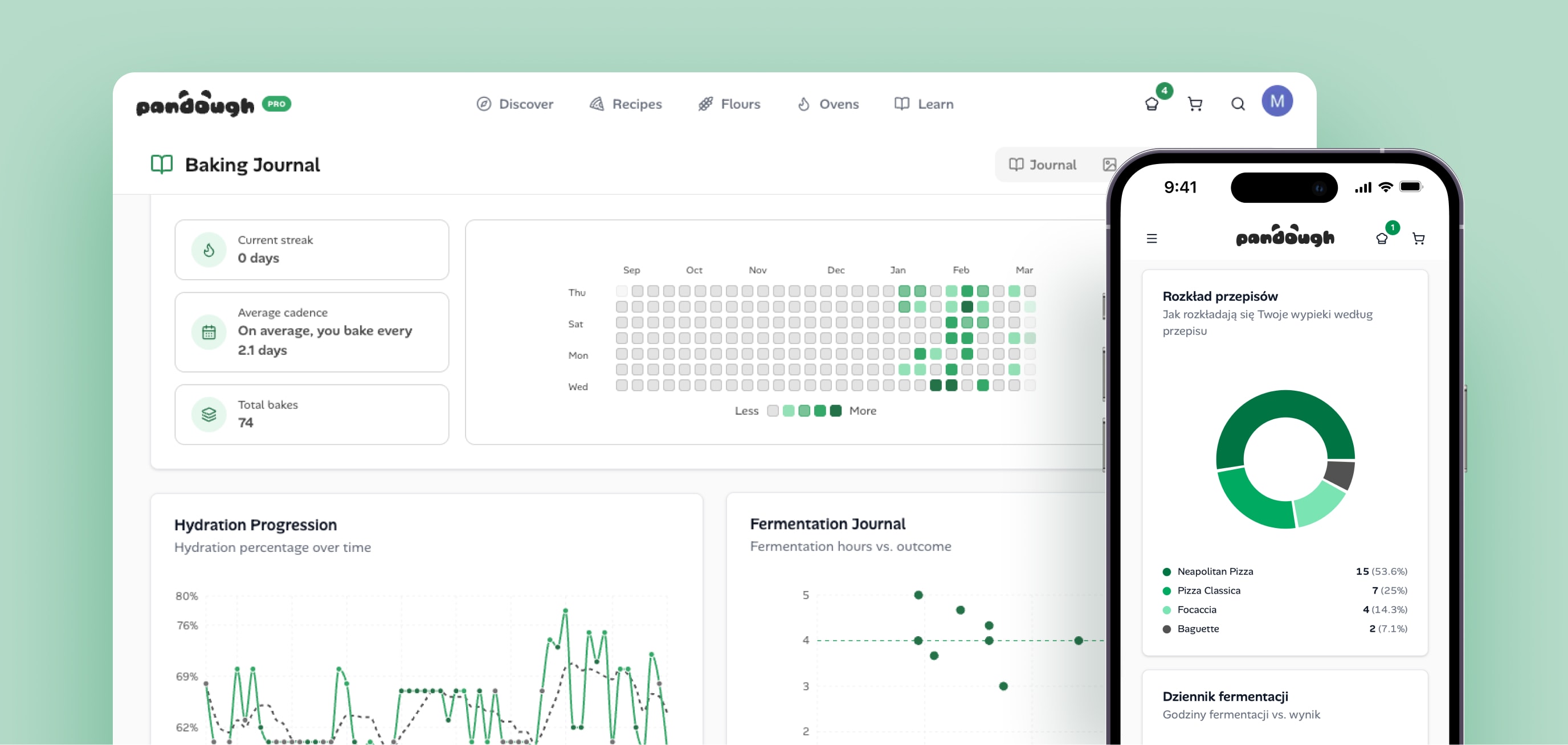
A new dashboard tracks your baking activity across multiple dimensions:
- Bake Calendar — a 6-month activity heatmap showing your baking streak and frequency
- Hydration Trend — line chart tracking your hydration choices over time with a moving average
- Flour Explorer — progress tracker showing how many flours you have tried out of the full database
- Recipe Distribution — donut chart breaking down which recipes you use most
- Fermentation Journal — scatter plot correlating your fermentation hours with bake ratings
- Personal Records — highest hydration, longest fermentation, most bakes in a week, and more
The dashboard populates as you bake. After a few sessions, you will start seeing patterns in your data.
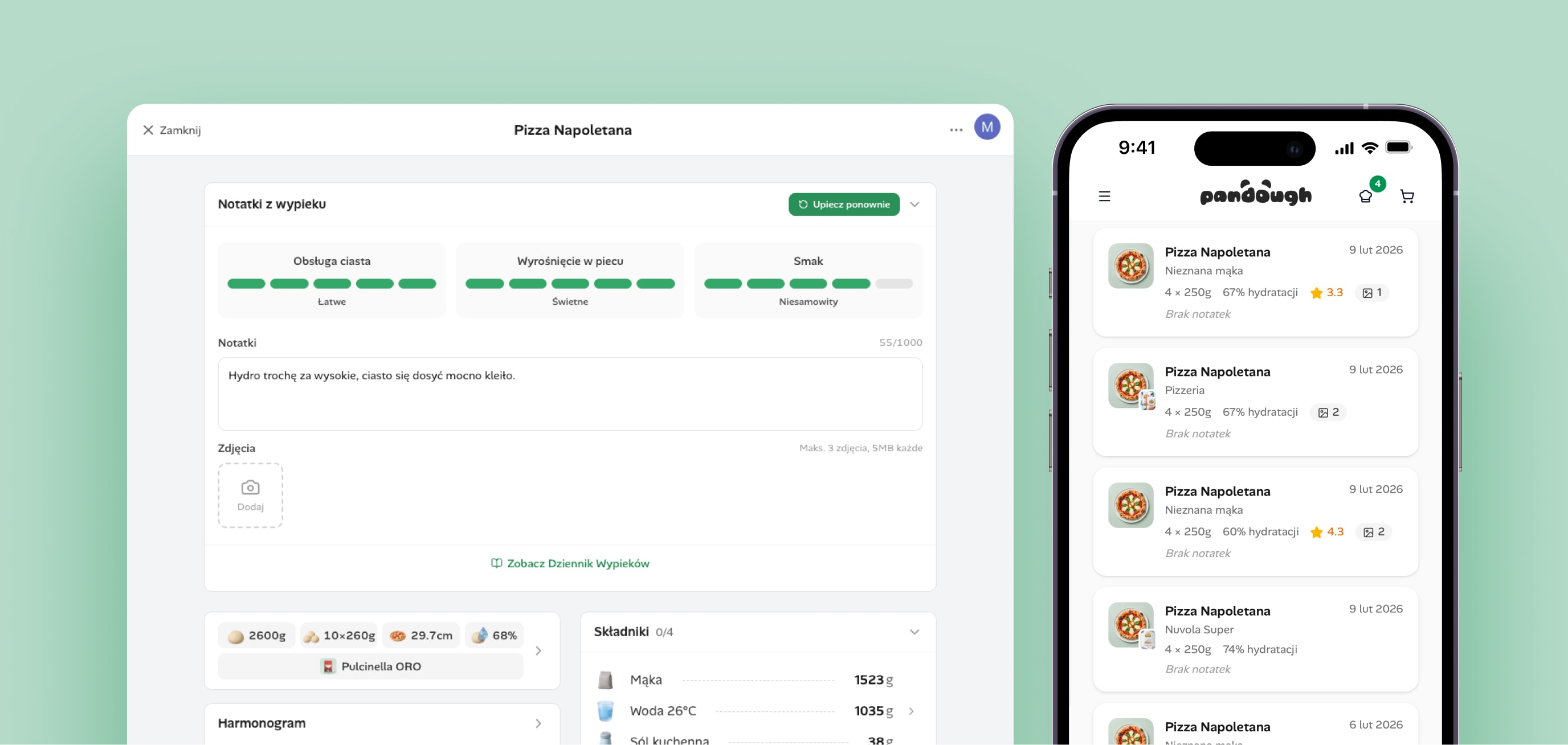
4. Advanced Preferment Control
Poolish and biga configuration got a serious upgrade. You can now fine-tune preferment duration with a dedicated slider, see real-time maturity tracking (young → developing → peak → over-ripe), and choose a separate flour for your preferment.
The maturity calculation uses Q10 temperature modeling — so if your kitchen is warmer or cooler than average, the system adjusts the timeline accordingly. An "Optimize" button snaps the duration to the peak window for your current room temperature.
When included in the schedule, the preferment step integrates directly into your proofing timeline with proper duration subtraction.
5. Duration Slider Is Back
The beloved duration slider returns — but smarter. It now lives inside the date-time selector as an alternative mode. Toggle between "Date Mode" (pick a specific bake time) and "Duration Mode" (set fermentation hours directly with a slider).
This is designed for bakers whose bake time is more open-ended. The fermentation bar graph appears above the slider for visual reference, and the bake date preview updates in real time as you drag.
6. Maturation Model v3
Under the hood, the fermentation model got its biggest upgrade yet. V3 replaces the old discrete strength classes (weak, medium, strong, very strong) with continuous interpolation between anchor points.
What this means in practice: a W179 flour and a W181 flour no longer jump to completely different fermentation windows. The transition is smooth, with less than 0.6 hours difference at any boundary point. The Q10 safety margin was also tightened from 50% to 35%, giving more precise cold-fermentation estimates.
The maturation timeline on flour pages now shows source attribution (manufacturer data, admin-verified, community-derived, or model-estimated) and confidence levels, so you know exactly how reliable each recommendation is.
Smaller Changes
- Unified SegmentControl — the pill-style switcher component used throughout the app was consolidated into a single shared component with consistent animations and sizing
- EF graph expand/collapse — the fermentation graph in the calculator bottom sheet now has a collapsible state with a chevron toggle for a cleaner default view
- Oven page polish — specs layout converted to flex, pros/cons split into separate cards, breadcrumb navigation added to detail pages
- Pricing page tweaks — minor layout and copy adjustments
- Fermentation model refinements — small tuning based on community feedback
- Flour detail page tweaks — improvements flagged by the community
- Locale-aware formatting — oven specs, currency, and unit display now respect your region settings
FAQ
What is Pandough?
Pandough is a dough manager that builds a precise plan around your flour, kitchen, oven and schedule.
Try the calculator