


1
水温を確認
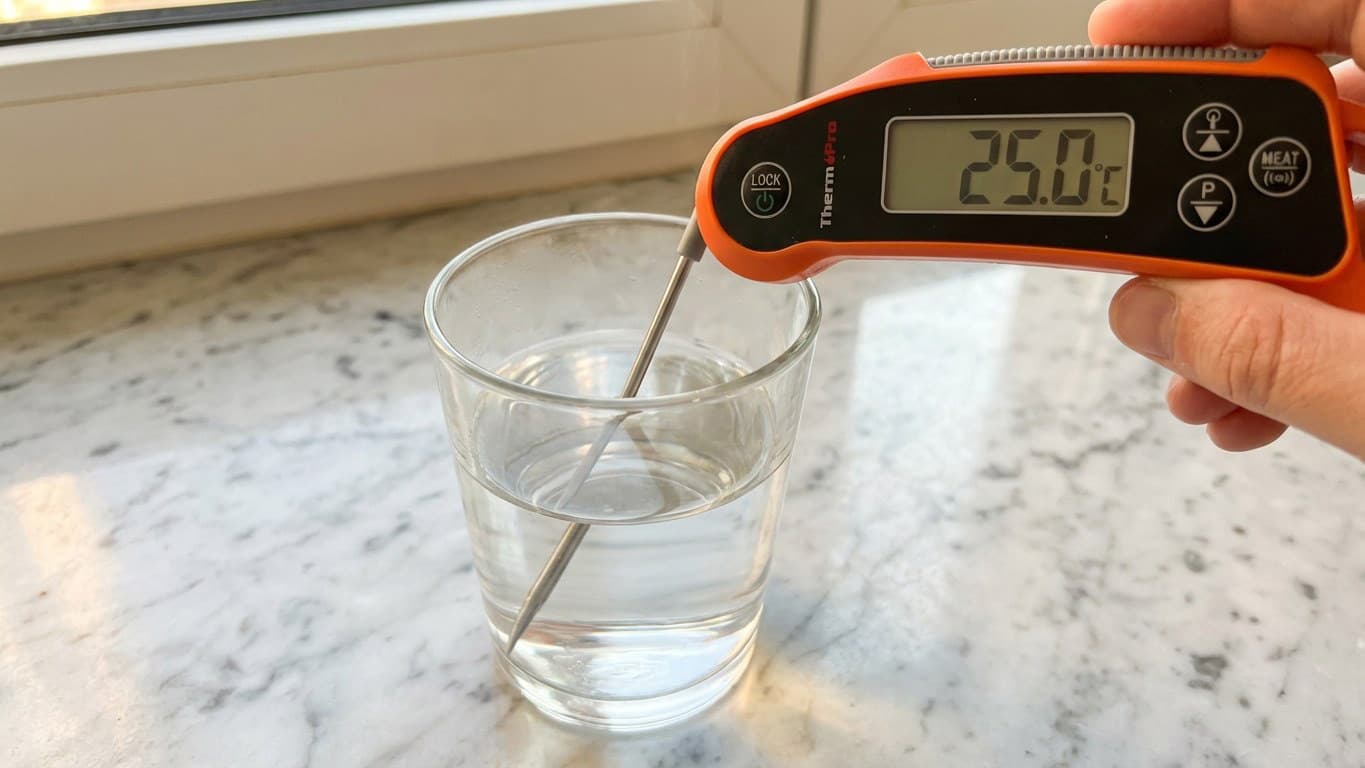
水温はイーストの活性に大きく影響します。水温を25°Cに調整してください。始める前に料理用温度計で確認しましょう。
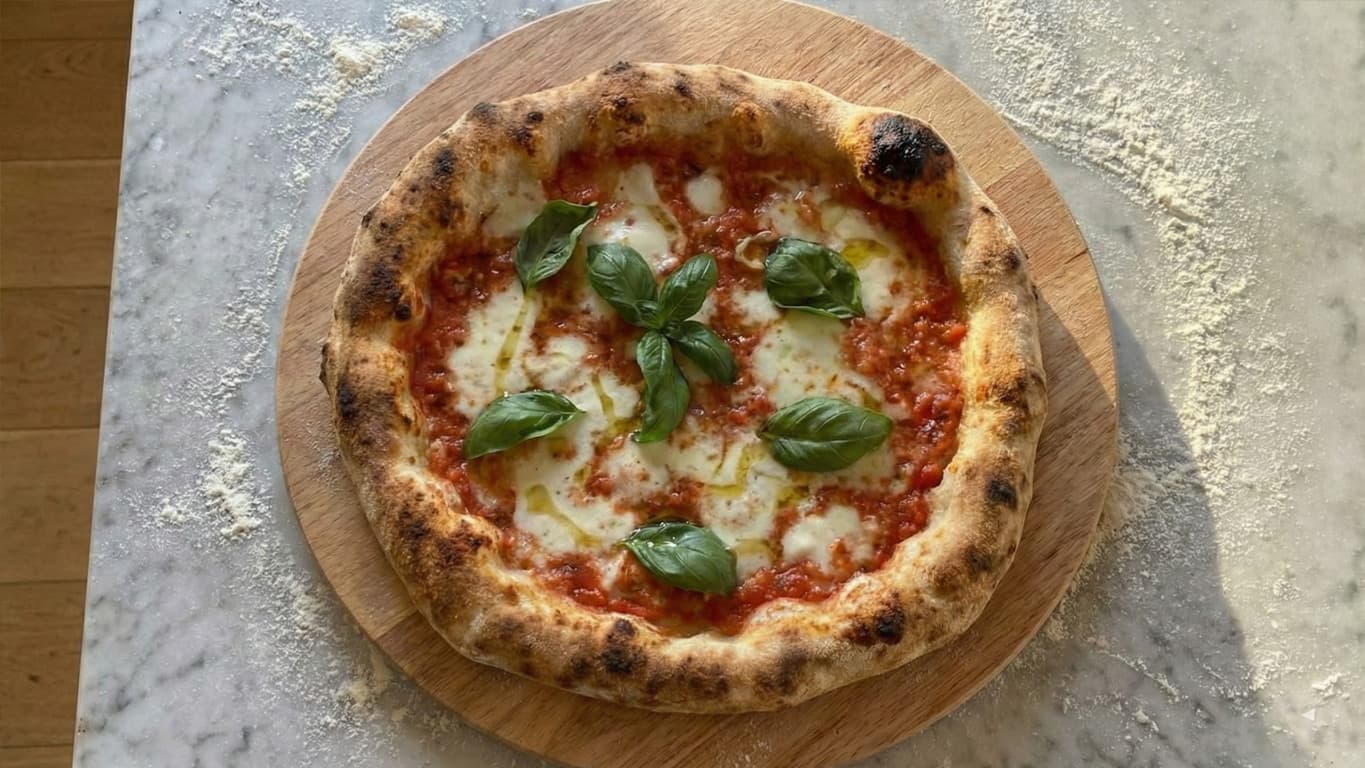
ピッツァ・ナポレターナは、ピザの最高峰です。コルニチョーネ(縁)に焦げ目がついた、ふっくらと柔らかい生地を作るには、質の良い小麦粉と忍耐が必要ですが、それだけの価値はあります。このレシピでは、選んだ小麦粉と発酵時間に基づいて、正確な材料の配合と水温を計算します。難しそう、または時間がないですか?まずはシンプルなマルゲリータから始めてみましょう。さらに細かく調整したい場合は、高度な計算ツールをご利用ください。
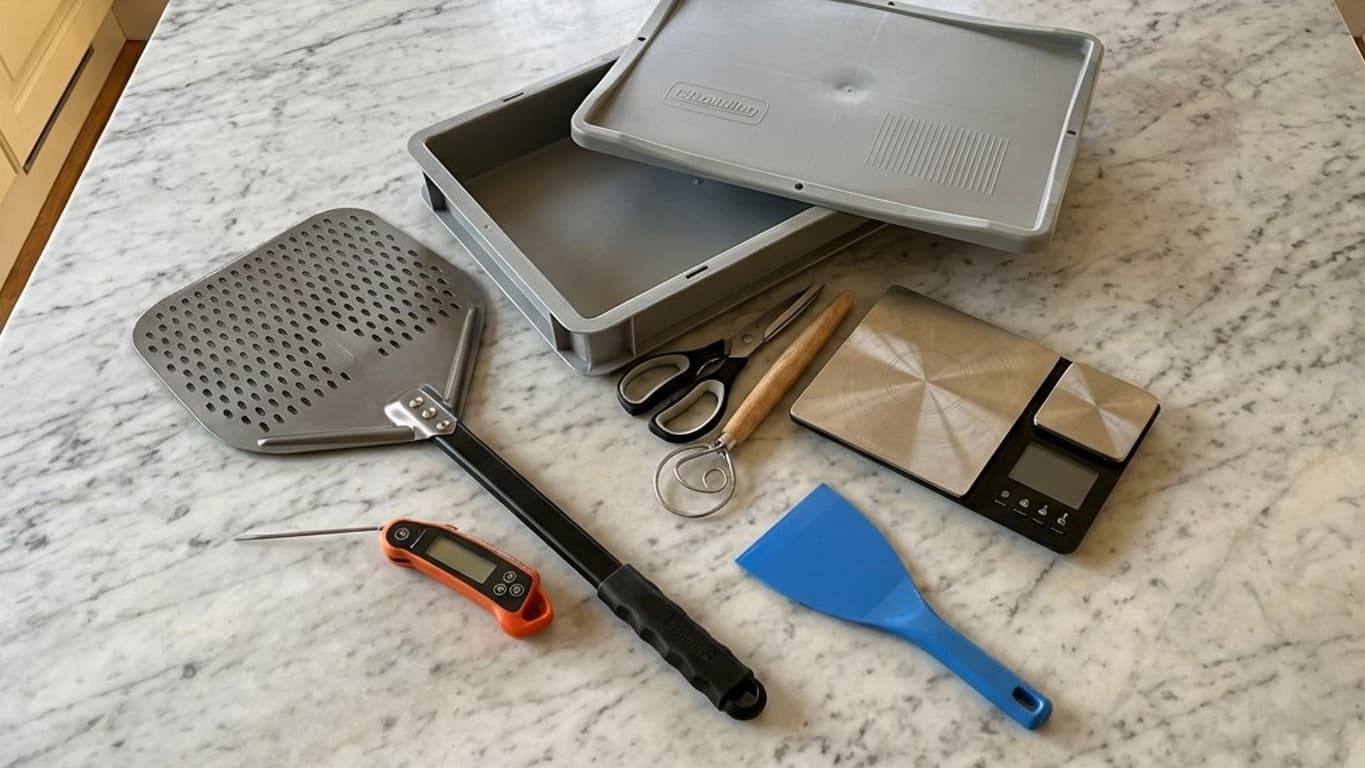
本格的なナポリピッツァを作るには、いくつかの専用道具が必要です。デジタルキッチンスケール(微量モード付き、または精密ばかりが理想)、生地を休ませる発酵ボックス(または密閉容器)、水温測定用のキッチン温度計、スケッパー、そしてピザピールです。ボウルや手、オーブンなど、それ以外のものはすでにお持ちのはずです。
水温はイーストの活性に大きく影響します。水温を25°Cに調整してください。始める前に料理用温度計で確認しましょう。
適切な温度のを計量します。大半を大きめのボウルに注ぎ、約50mlを別に取り分けておきます。を加え、完全に溶けるまで1分間かき混ぜます。小麦粉をひとつかみ(の約10分の1)加え、ゆるい泥状になるまで混ぜ合わせます。
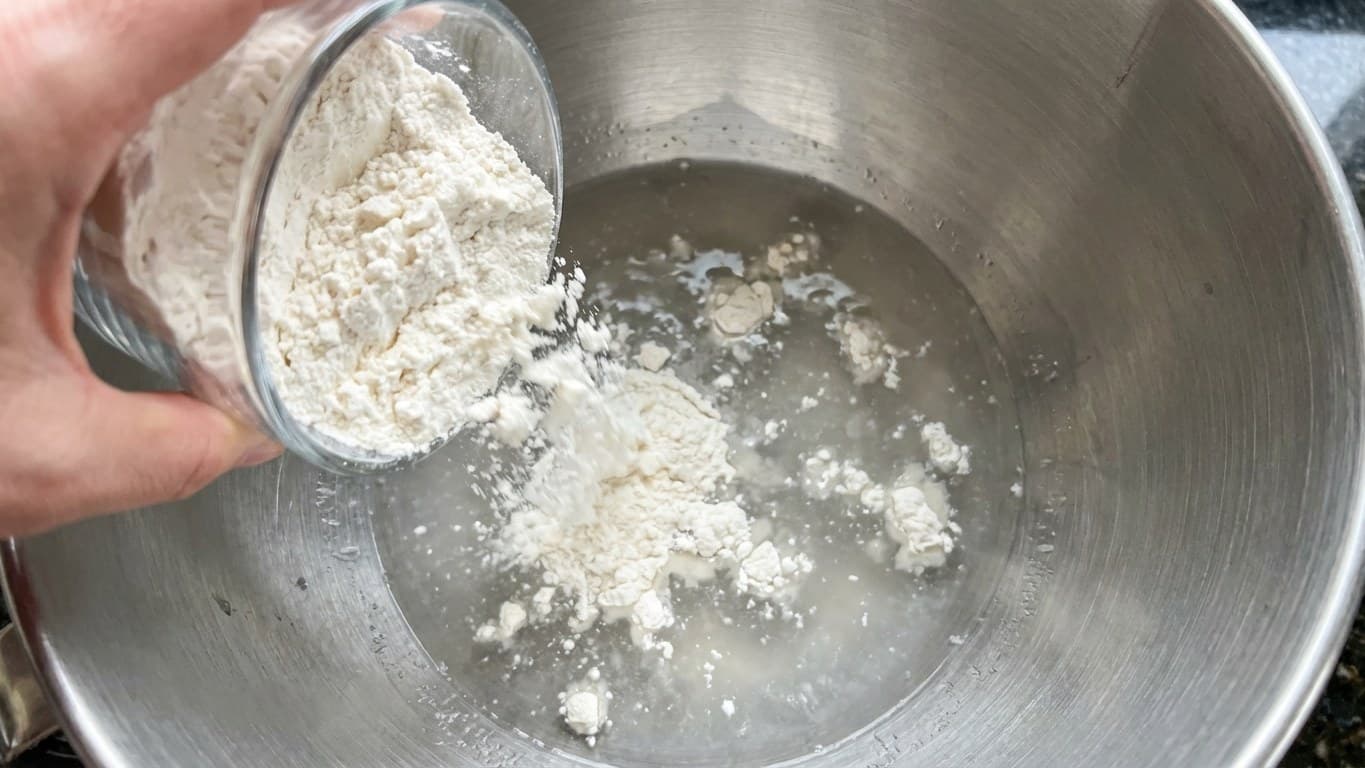
最初に塩を水に溶かすことで、塩がイーストに直接触れて活性を妨げるのを防ぎます。また、水を少し取り分けておくことで、適切なタイミングでイーストを別に追加できます。
取り分けておいた50mlのぬるま湯にを溶かします。イースト水をボウルに注ぎ、混ぜ合わせます。次に、残りのを2〜3回に分けて加え、その都度粉っぽさが大体なくなるまで混ぜ、まとまりのないゴツゴツした生地を作ります。
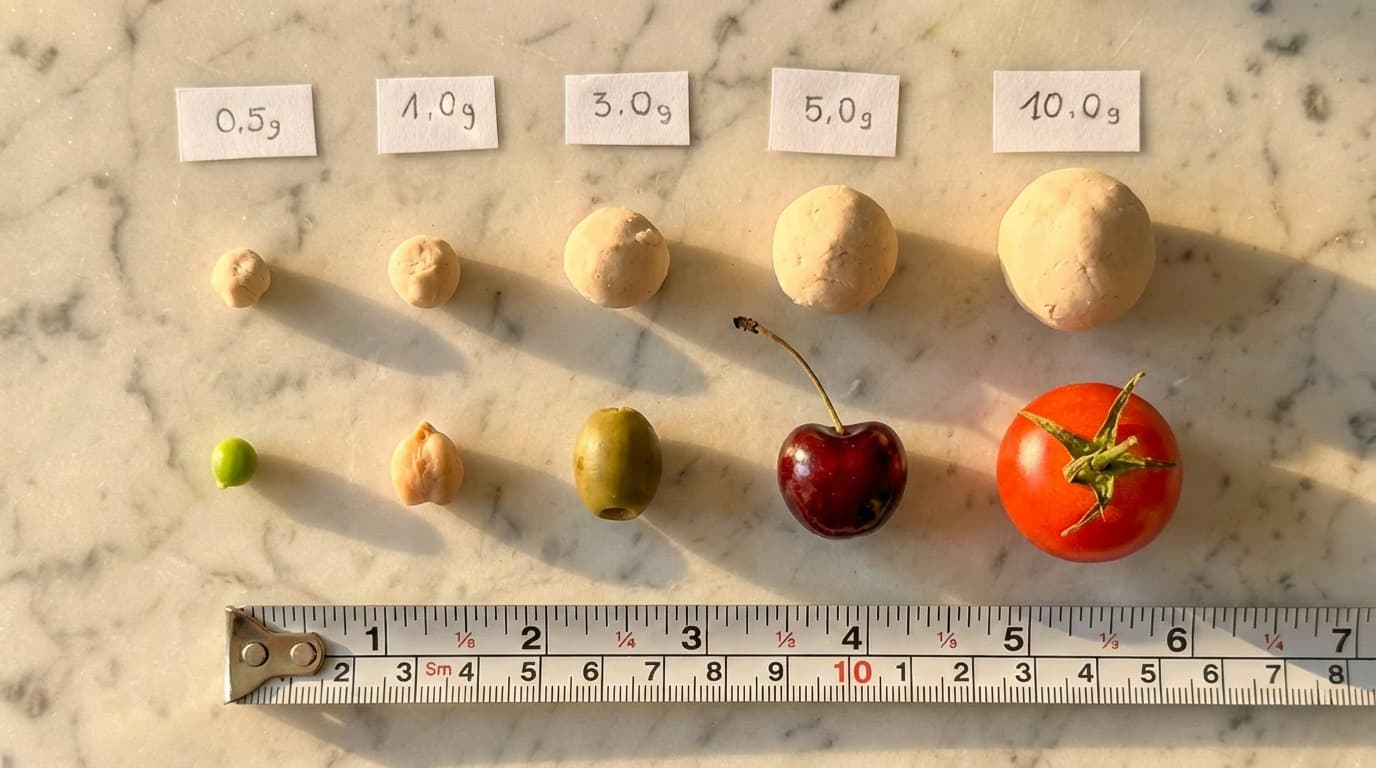
2g fresh yeast is approx. 2 balls the size of a chickpea.
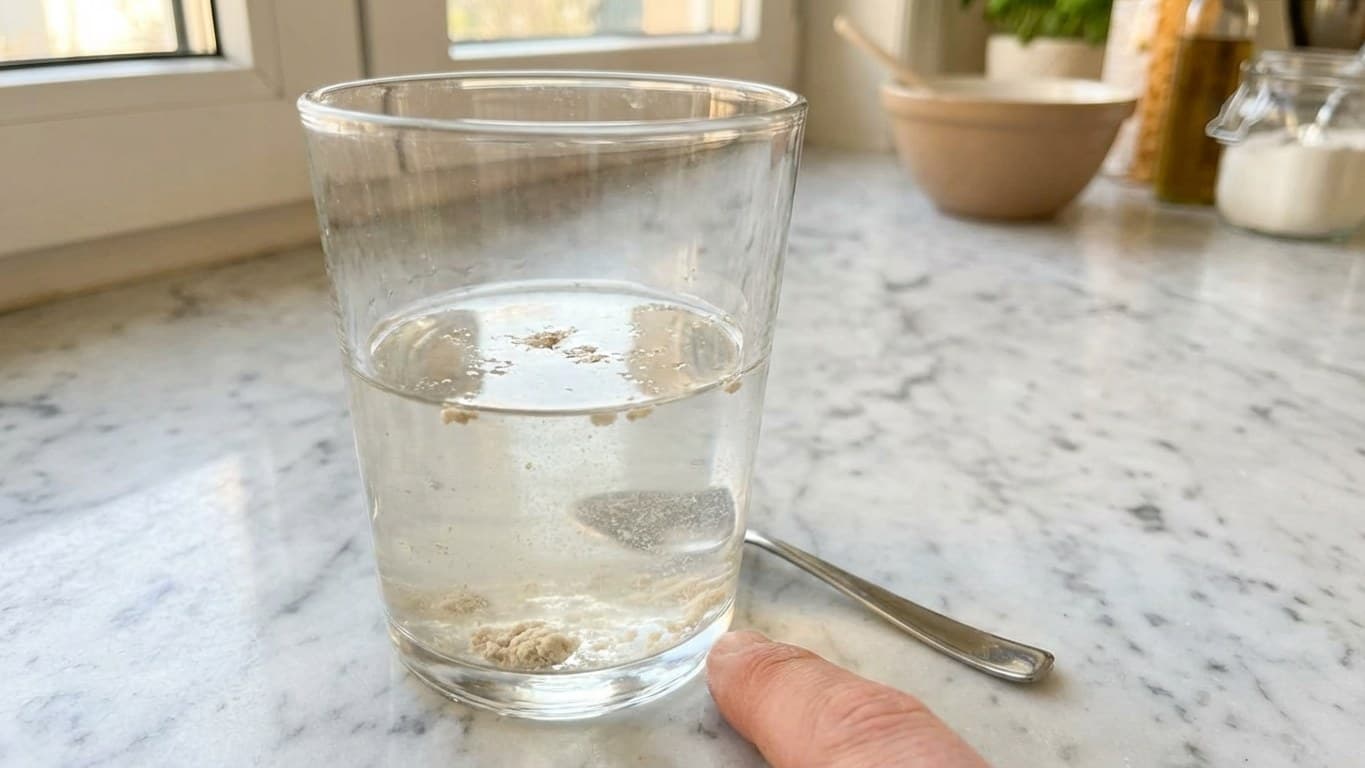
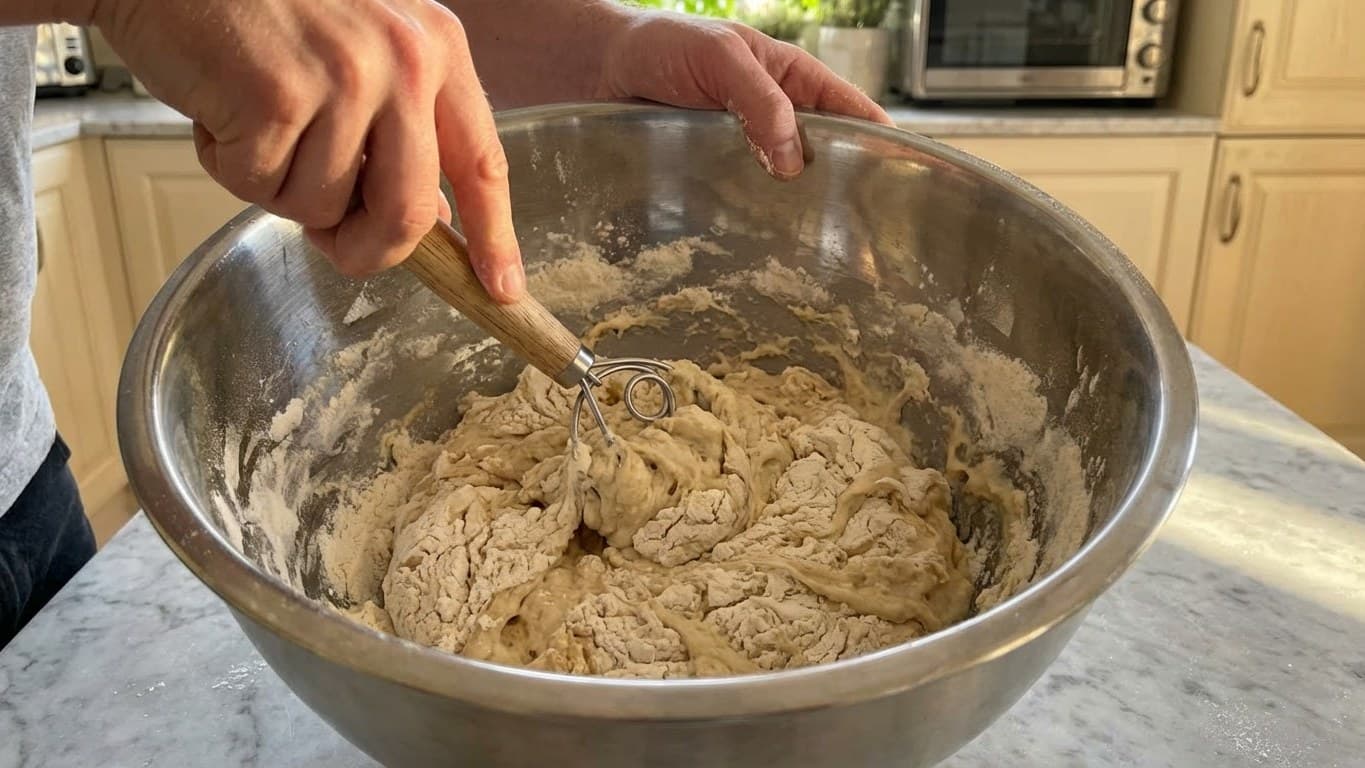
小麦粉はゆっくりと加えてください。次の分を加える前に、前の分がほぼ混ざっている状態にします。これにより、一度にすべて投入するよりも優れたグルテン構造が形成されます。
小麦粉小麦粉が選択されていません
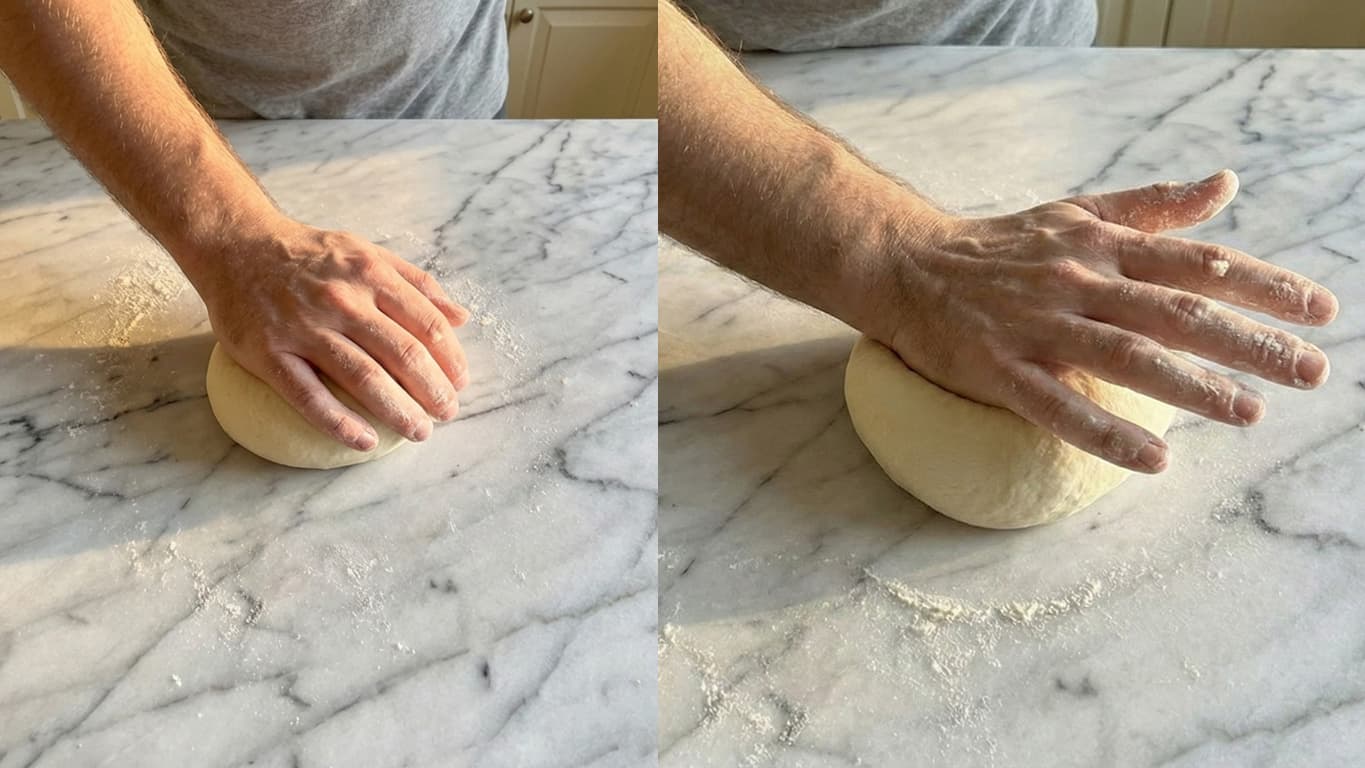
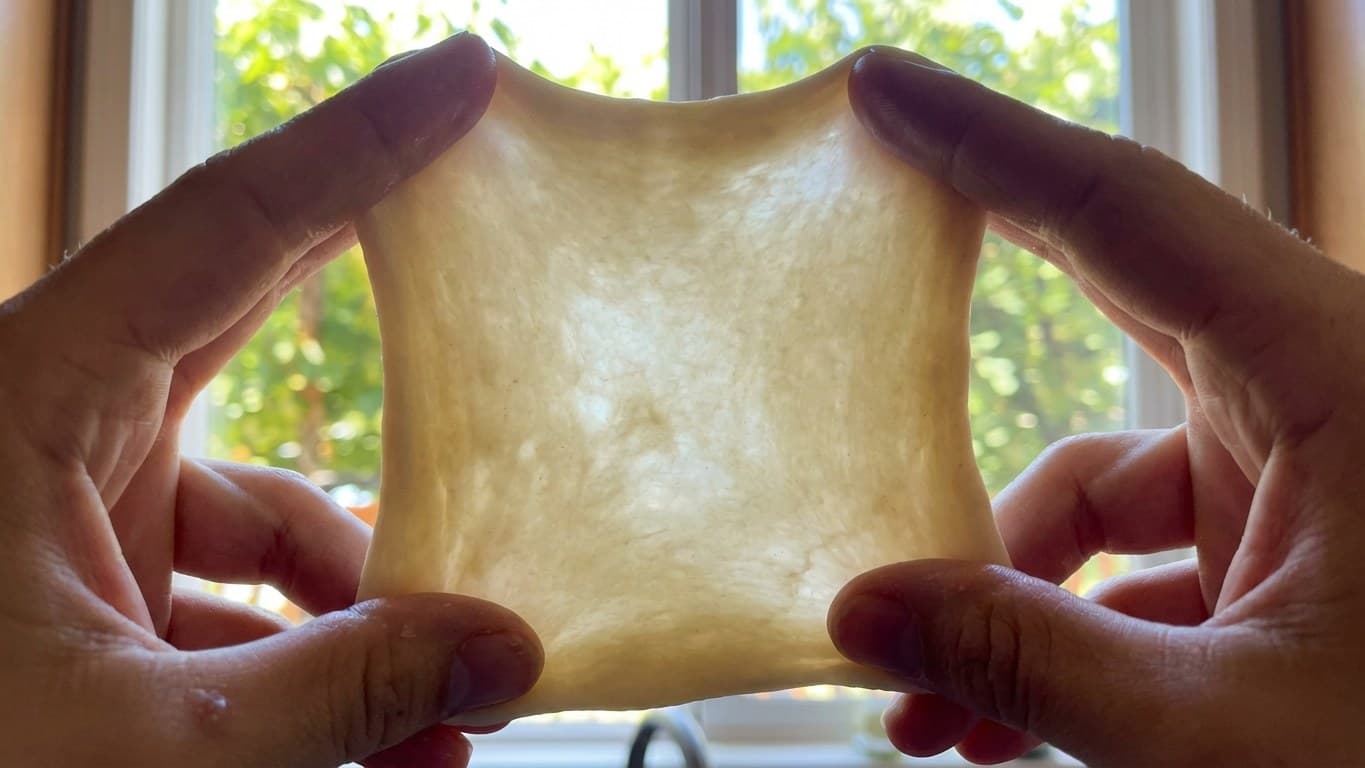
清潔な作業台の上で、AVPN推奨の「折って押す」方法で生地をこねます。手のひらで生地を奥へと伸ばし、手前に折り返し、90度回転させて繰り返します。台に打ち粉はしないでください。最初は生地がベタつきますが、そのままこね続けます。なめらかで弾力があり、グルテン膜テスト(ウィンドウペイン・テスト)をクリアすれば完成です。
ナポリピッツァの生地にオリーブオイルは絶対に加えないでください。小麦粉、水、塩、酵母のみがAVPN(真のナポリピッツァ協会)の基準です。オイルを加えると、食感や焼き目の付き方が変わってしまいます。
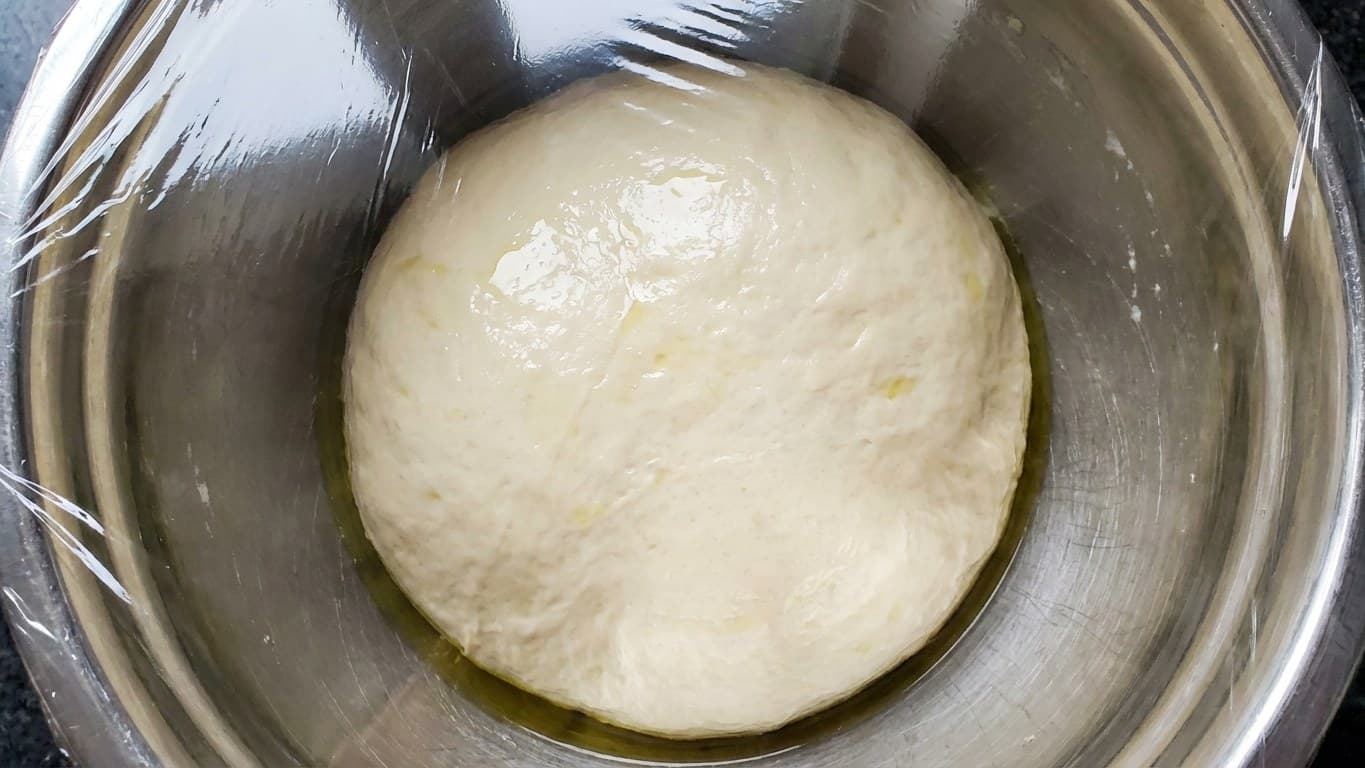
生地を丸めて、薄くオイルを塗った容器に入れ、蓋をします。上の計算ツールに表示された一次発酵時間の間、室温で休ませます。
一次発酵の後、きれいな作業台の上に生地を取り出します。デジタルスケールを使い、ピザ1枚あたり約250g(上の計算ツールに合わせて調整してください)の等分に分割します。それぞれの重さを量り、ちぎるかカットして目標の重さに合わせます。
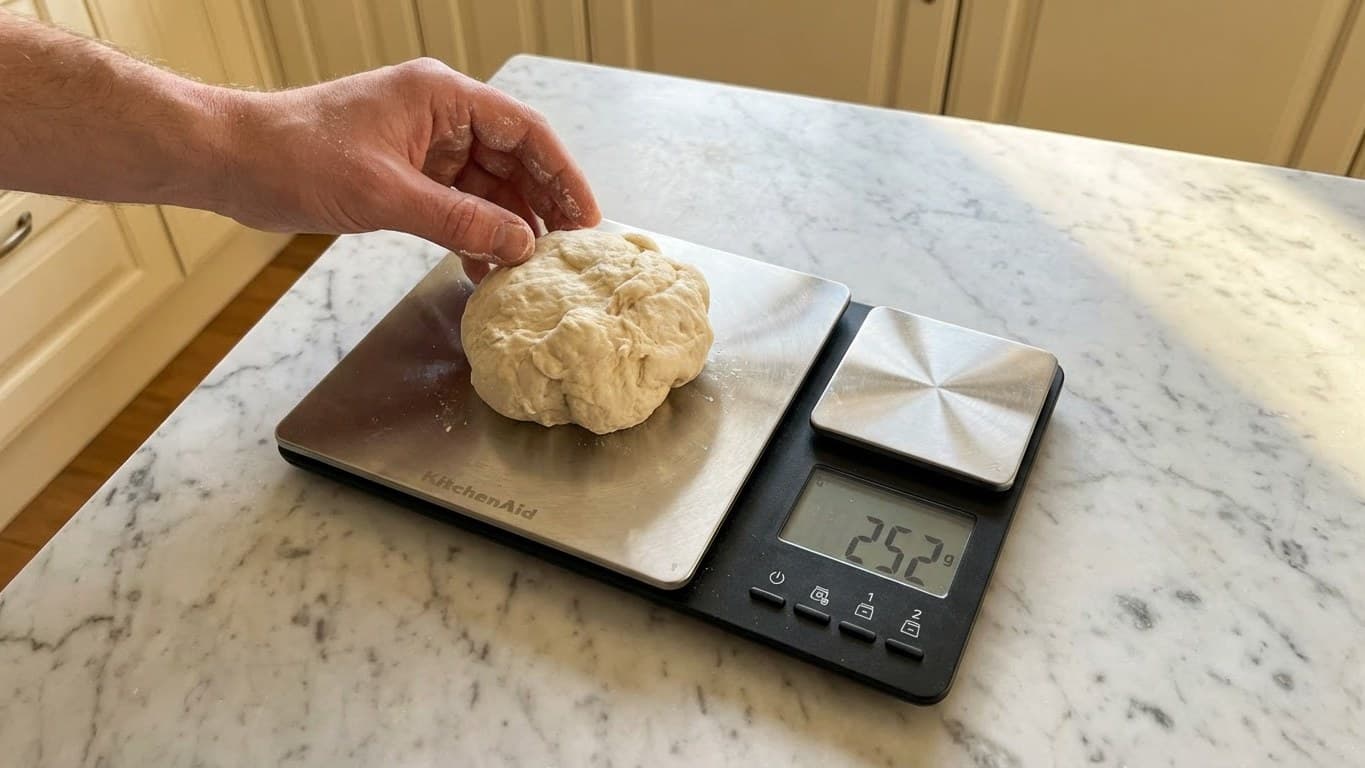
正確な分割こそが、家庭のピザと極上のピザを分けるポイントです。生地の重さに30gの差があると焼き上がりにムラができます。2分間惜しまずに、きちんと計量しましょう。
粉を振っていない作業台の上で、分割した生地を包み込むように手を添えます。軽く下に押し付けながら、円を描くように手前に引き寄せて表面を張らせます。生地の表面が滑らかで張りがあり、継ぎ目が見えなくなるまで、回転させながらこの動作を繰り返します。
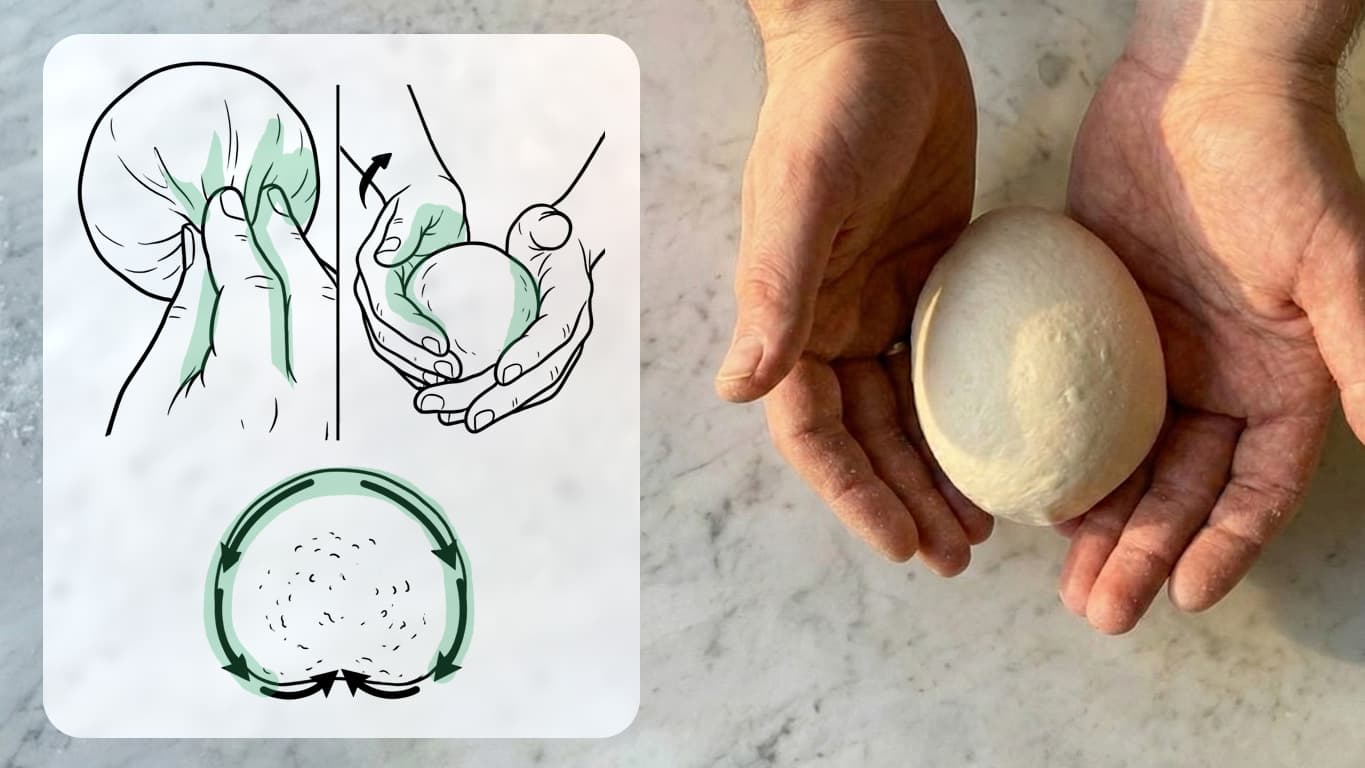
粉を振っていない作業台の上で丸めてください。ここでは摩擦が重要です。打ち粉をしてしまうと、低温発酵中に生地の形を保つために必要な表面張力が生まれません。
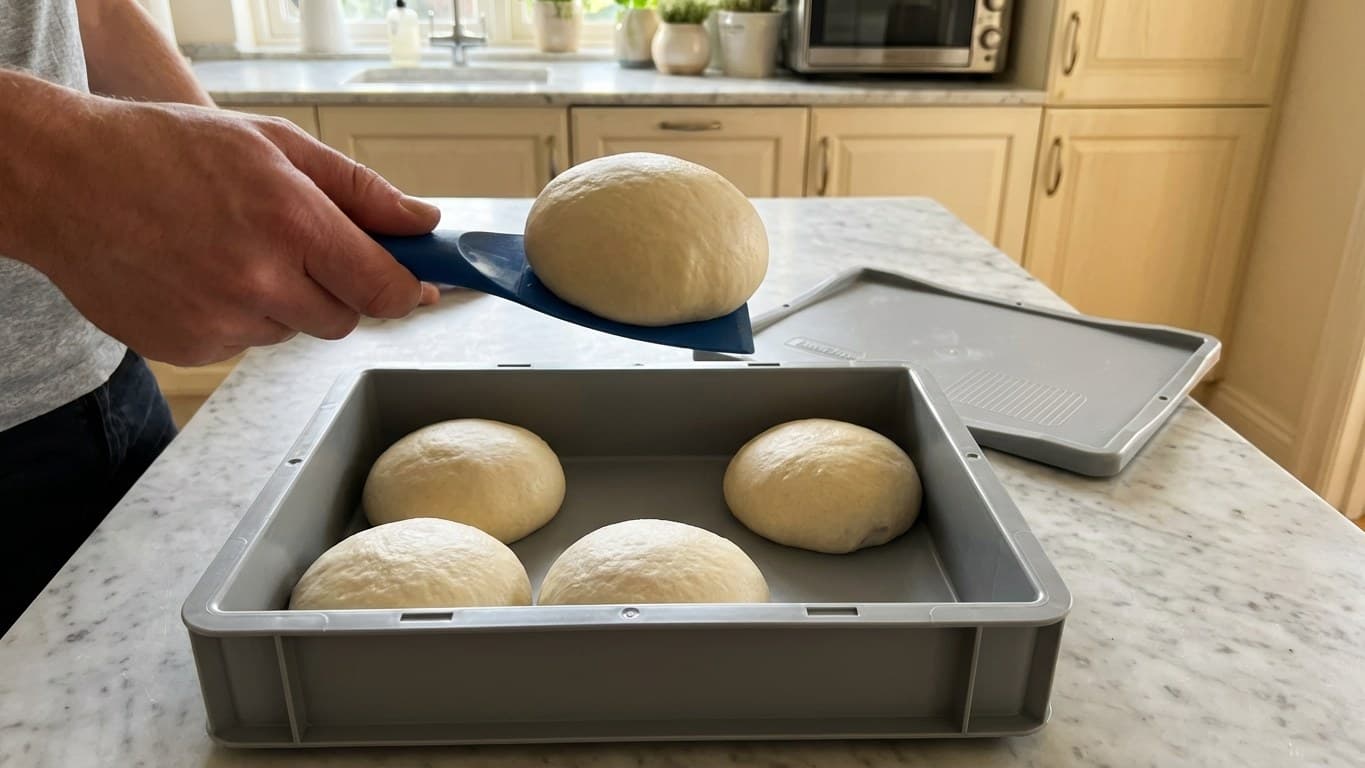
成形した生地ボールを、間隔を均等に空けて発酵ボックスに並べます。一晩で膨らむため、この段階では生地同士が触れ合わないようにしてください。蓋を閉めます。
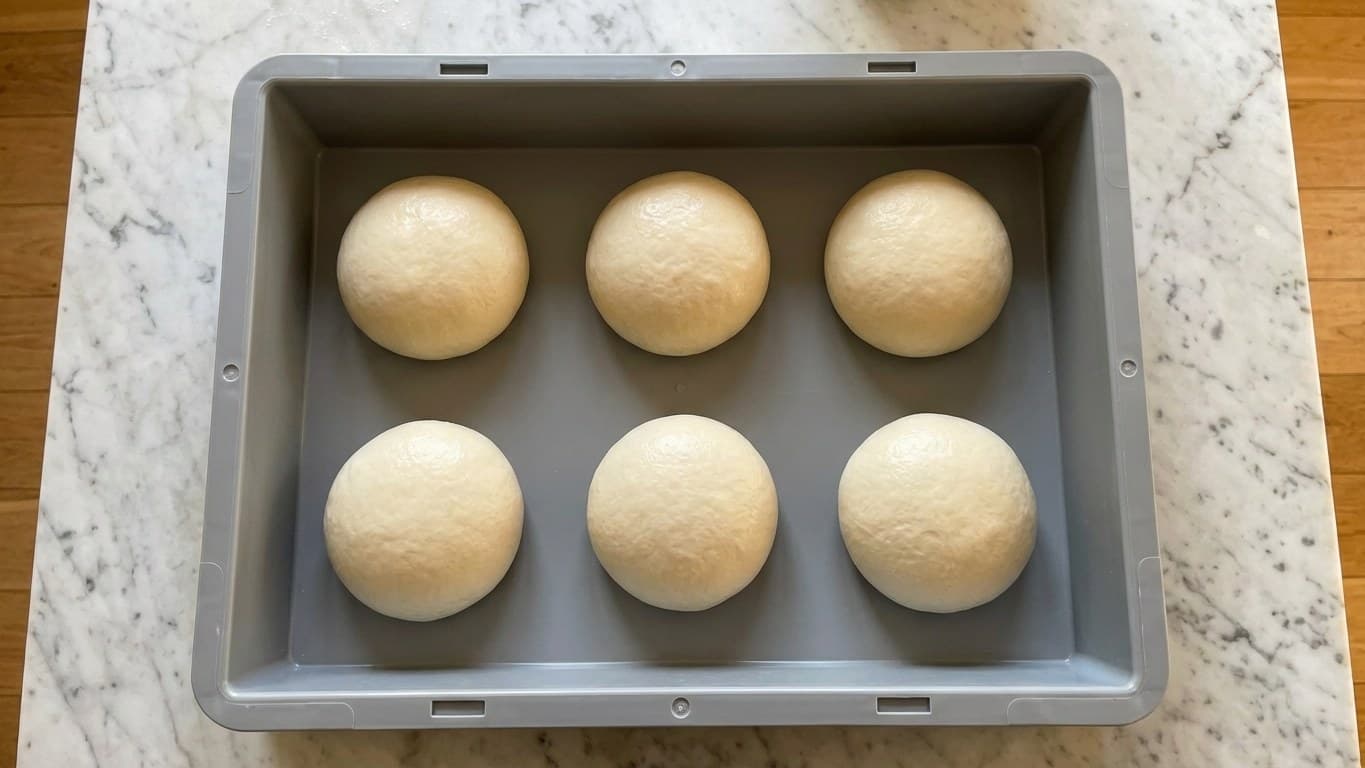
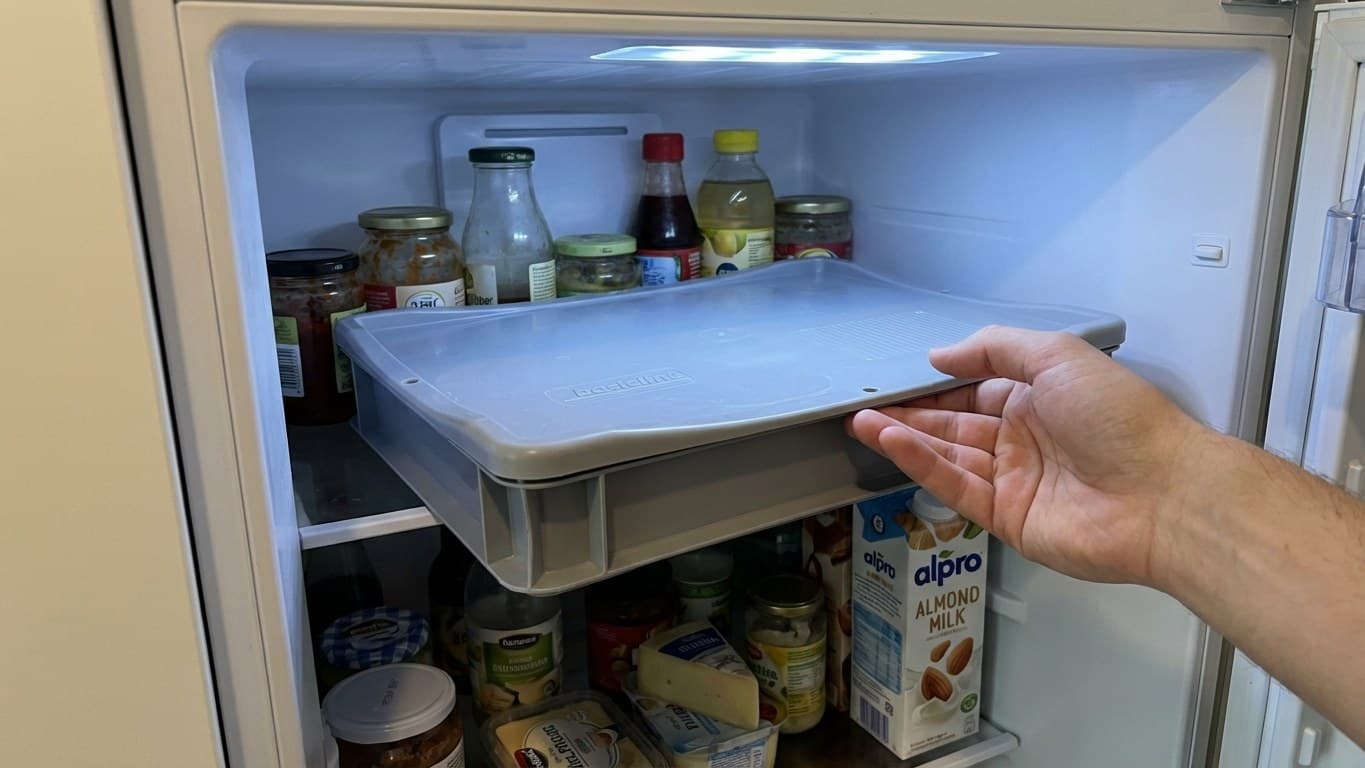
蓋をした発酵ボックスを冷蔵庫に入れます。生地は一晩かけてゆっくりと発酵し、複雑な風味と、特徴的な焦げ目(レオパード・スポット)を作るために必要な構造が形成されます。
冷蔵庫から発酵容器を取り出します。蓋を開けて確認してください。生地が目に見えて大きくなり、触るとふんわりと柔らかく、隣同士がくっついているか、くっつきそうになっている状態が目安です。蓋を閉め、生地を伸ばす1〜2時間前に室温に戻しておきます。
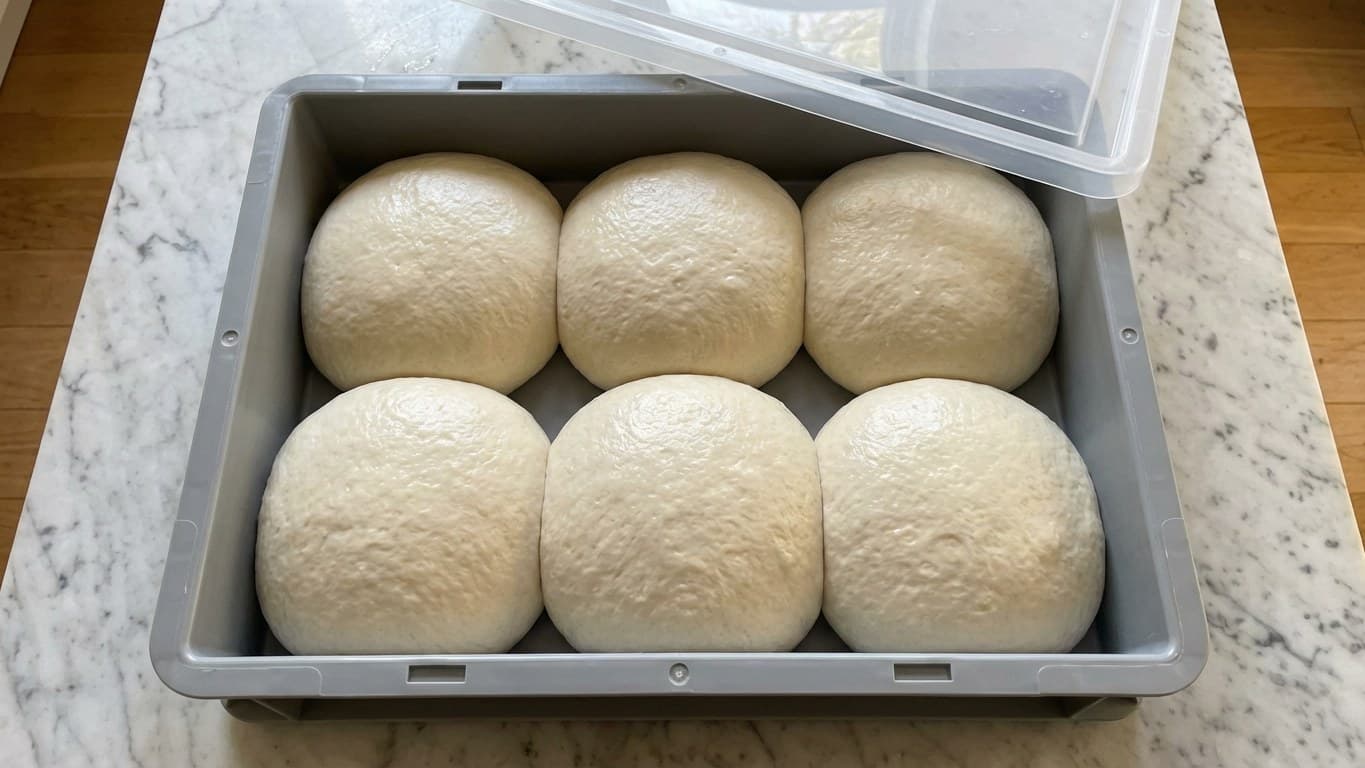
わずかに酸っぱい香りがして、指で押したときにゆっくりと押し戻されるようであれば、発酵は完璧です。すぐに押し戻される場合は、もう少し室温に置いて温めてください。
伸ばす準備ができたら、ドレッジを生地の下にそっと差し込み、容器から持ち上げて取り出します。セモラ粉を軽く振った台の上に置きます。
粗挽きセモラ粉を入れたボウルに生地を入れ、優しく転がして全体にまぶします。これにより、伸ばすときに生地がくっつくのを防ぎます。
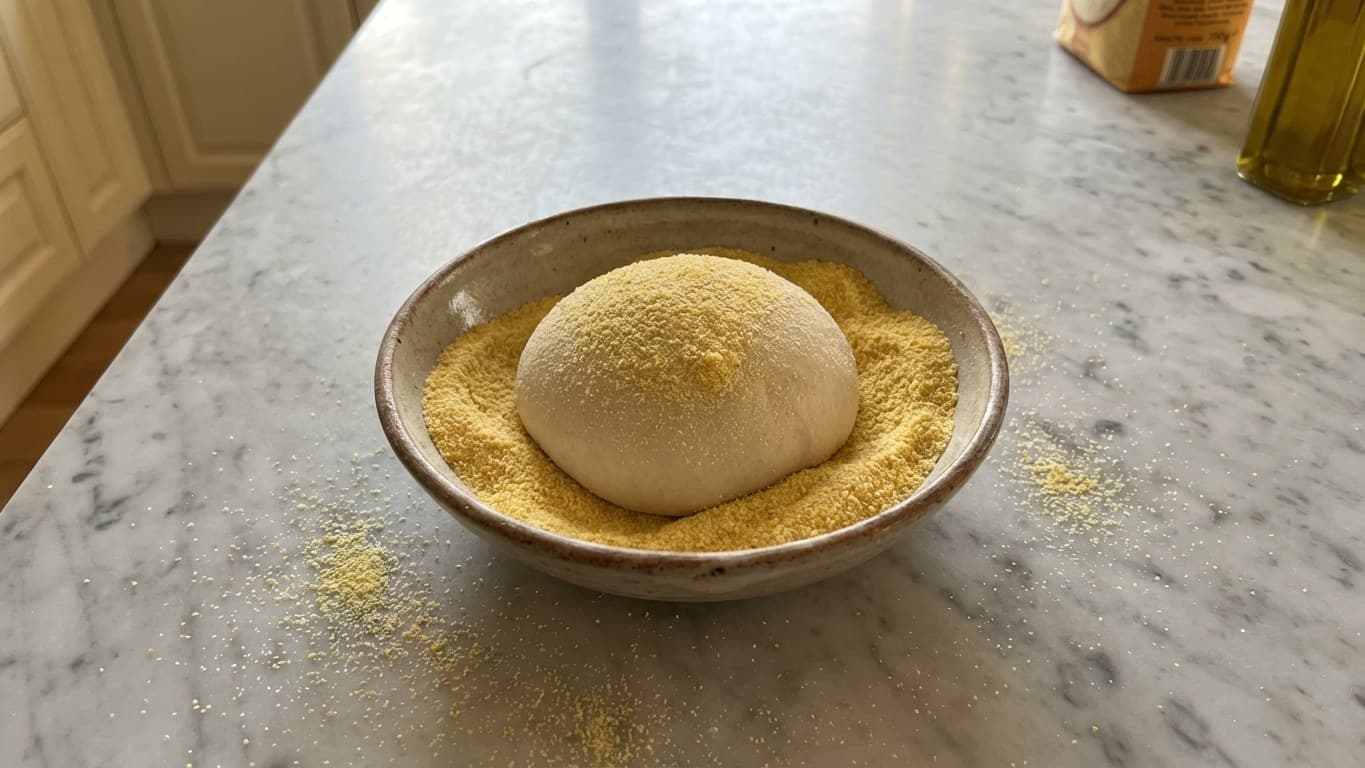
通常の小麦粉ではなく、必ず粗挽きセモラ粉(セモリナ・リマチナータ)を使用してください。セモラ粉は生地に吸収されにくいため、型離れが良くなります。
セモラ粉をまぶした生地を作業台に置きます。両手で中心から外側に向かって押し、中の空気を縁に送り出します。生地を少しずつ回しながら、押しては回す作業を繰り返します。コルニチョーネ(ピザの耳)を作るため、縁から2〜3 cmは触らずに残しておきます。
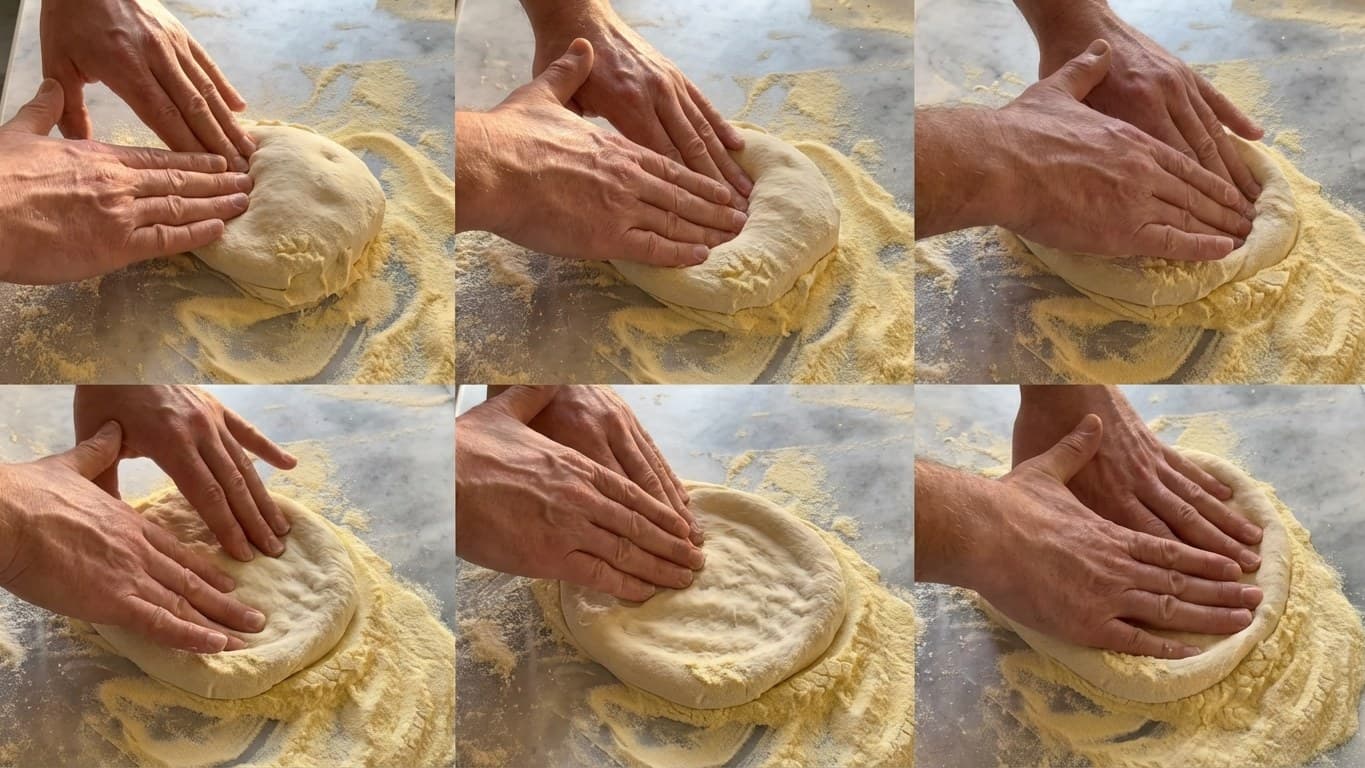
縁は絶対に押し潰さないでください。そこに空気が溜まることで、ふっくらとした軽い食感の耳(コルニチョーネ)が仕上がります。
ナックル(握り拳)の上に生地をのせて持ち上げ、重力を利用して伸ばします。手を左右に広げながら、優しく回転させてください。伝統的なナポリ風の「スラップ」技法を行う場合は、左右に動かしながら両手の間で素早く生地を往復させます。
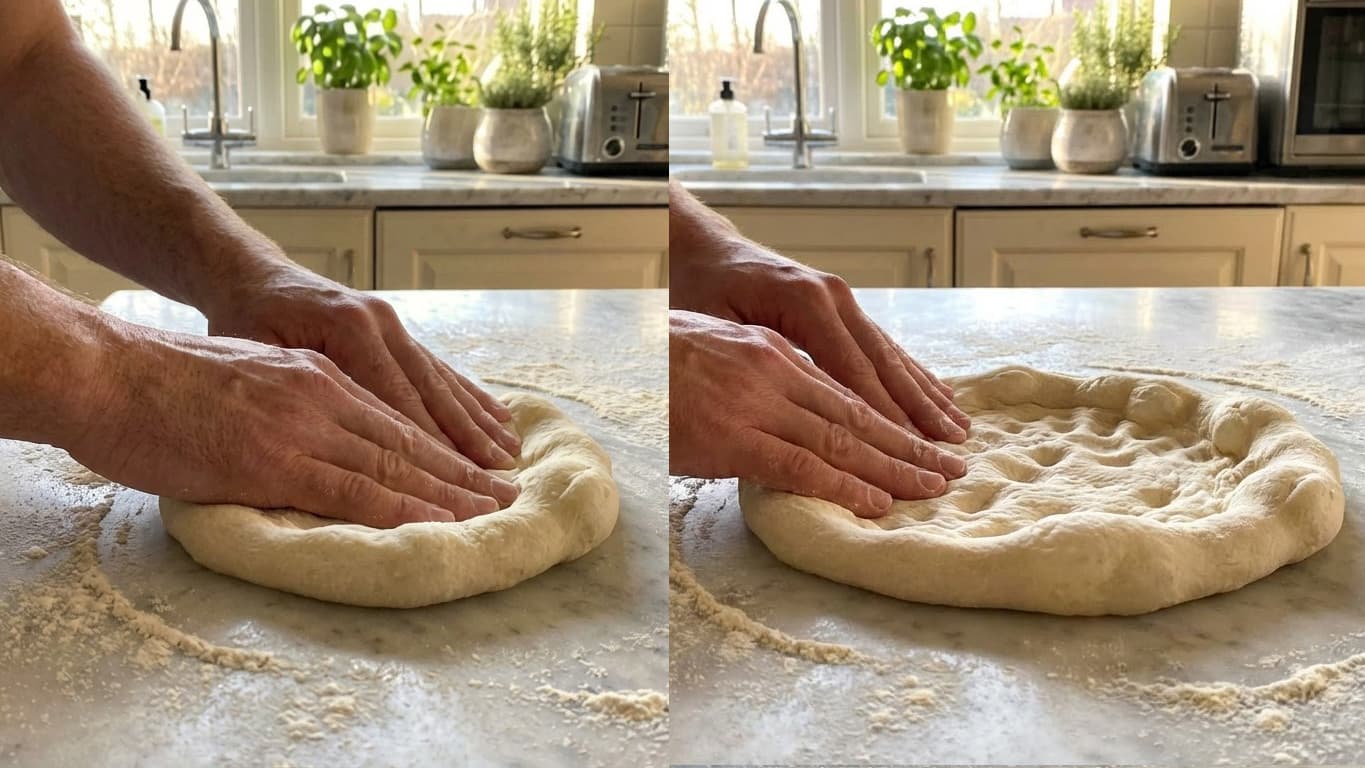
本格的なナポリピッツァは直径約30cmで、縁(コルニチョーネ)がぷっくりと膨らんでいるのが特徴です。
サンマルツァーノトマトを手で潰しながら、伸ばした生地に直接のせます。スプーンの背を使い、中心から外側に向かって優しく伸ばします。縁(コルニチョーネ)のために2〜3cmほどの幅をしっかりと残してください。
新鮮なモッツァレラ(フィオル・ディ・ラッテ)を手でちぎり、ソースの上に均等に散らします。コルニチョーネ(耳)の部分には何ものせないでください。仕上げにエクストラバージンオリーブオイルをたっぷりと回しかけます。
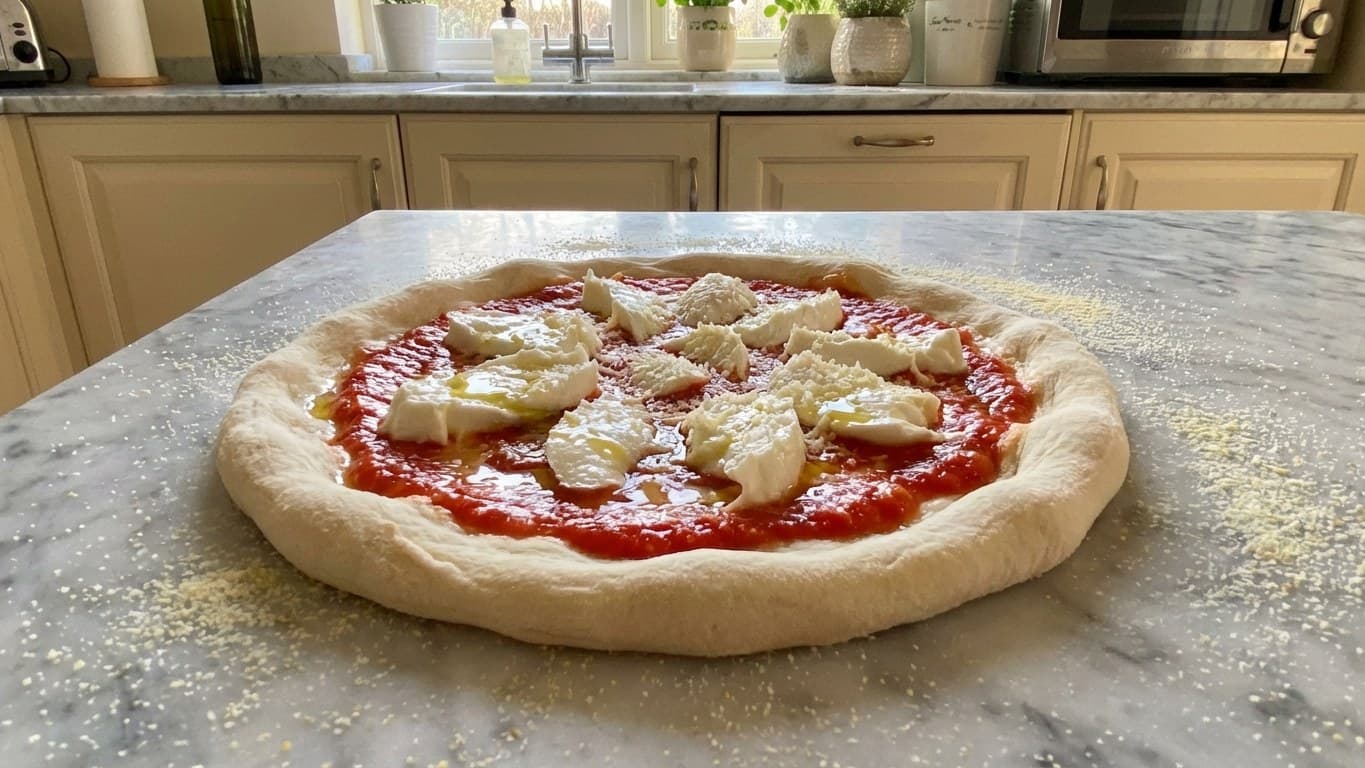
ピザピールに粗挽きセモラ粉をたっぷりと振ります。ピザをピールの上に滑らせるようにのせます。軽く揺すってみて、スムーズに動くことを確認してください。くっついている場合は、端を慎重に持ち上げて下にセモラ粉を足します。
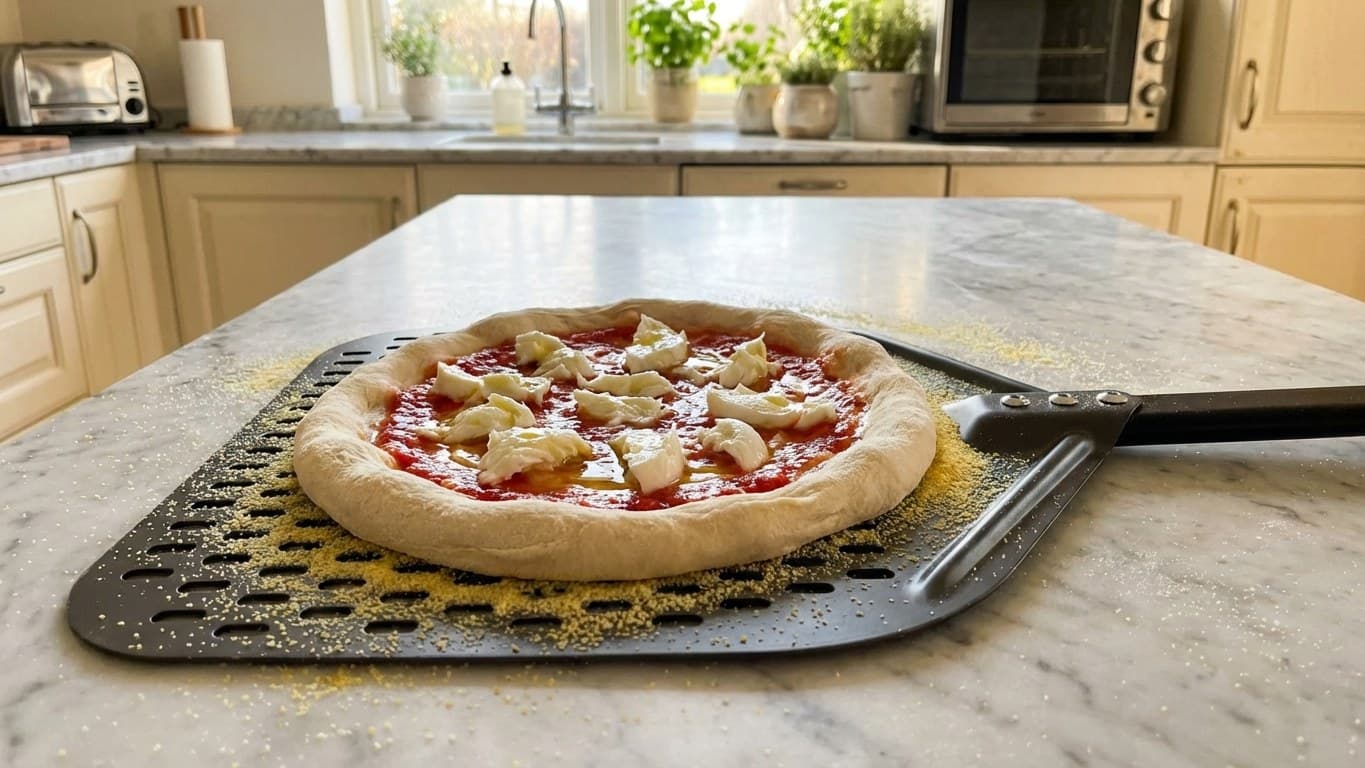
素早く作業しましょう。生地はセモリナ粉をすぐに吸収します。ピールに乗せている時間が長いほど、貼り付きやすくなります。
本物のナポリピッツァには超高温が必要です。ピールを軽く揺すってピザが滑ることを確認し、手首を素早くスナップさせてオーブンに投入します。途中で反転させながら、60〜90秒間焼き上げます。ピールがない場合は、オーブンを最高温度で予熱した天板にクッキングシートを敷いて代用してください。
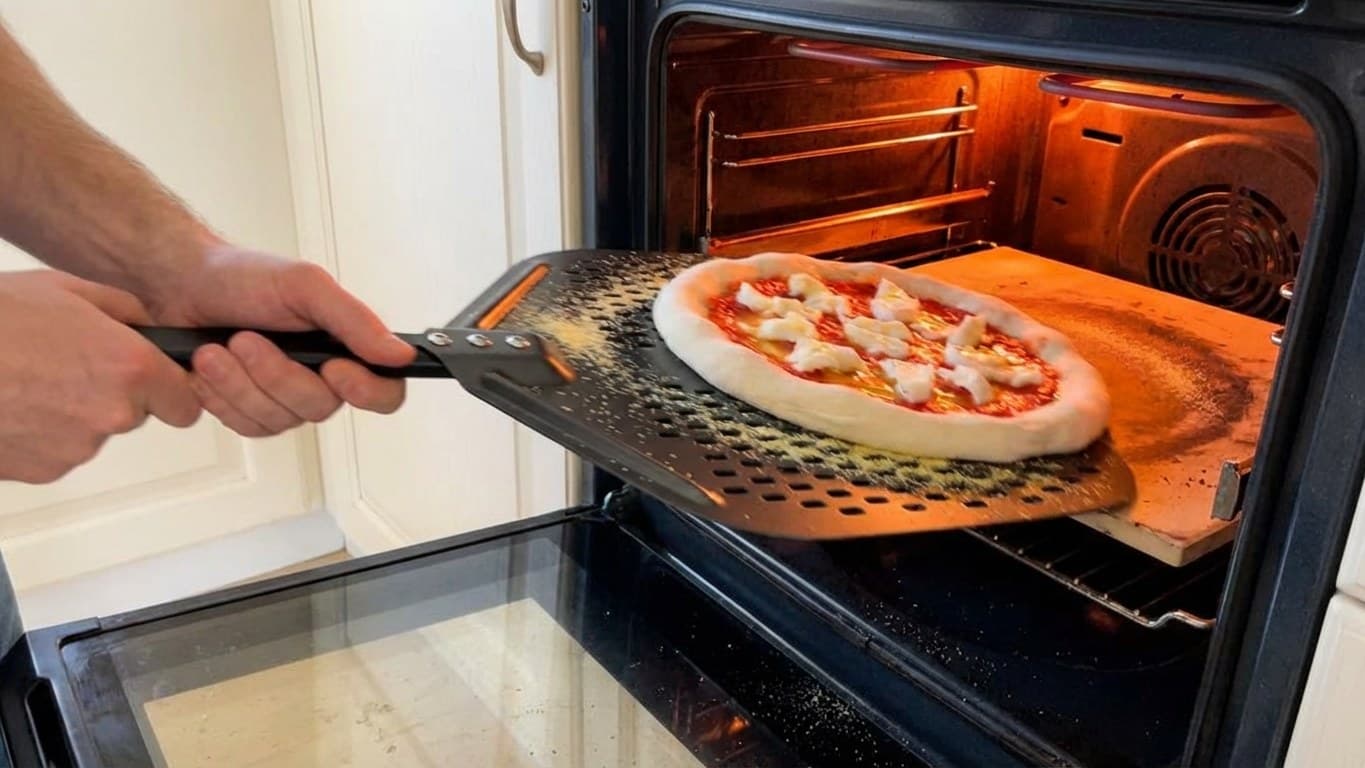
本物のナポリ風ソースは、驚くほどシンプルです。潰したサンマルツァーノトマト、ひとつまみの塩、フレッシュバジルだけ。加熱も、ニンニクも、オリーブオイルも不要です。あとはオーブンが仕上げてくれます。
 サンマルツァーノトマト
 塩
塩 フレッシュバジル
サンマルツァーノトマトを手で潰します(または良質なトマトのパッサータを使用)。塩を加えます。
ソースは加熱しないでください。生のトマトソースを使うのがナポリの伝統です。仕上げにフレッシュバジルを加えます。
Pandoughカリキュレーターを使えば、加水率、ポーリッシュ、水温、発酵スケジュールなど、すべてのパラメータを細かく調整できます。
コメント
0